
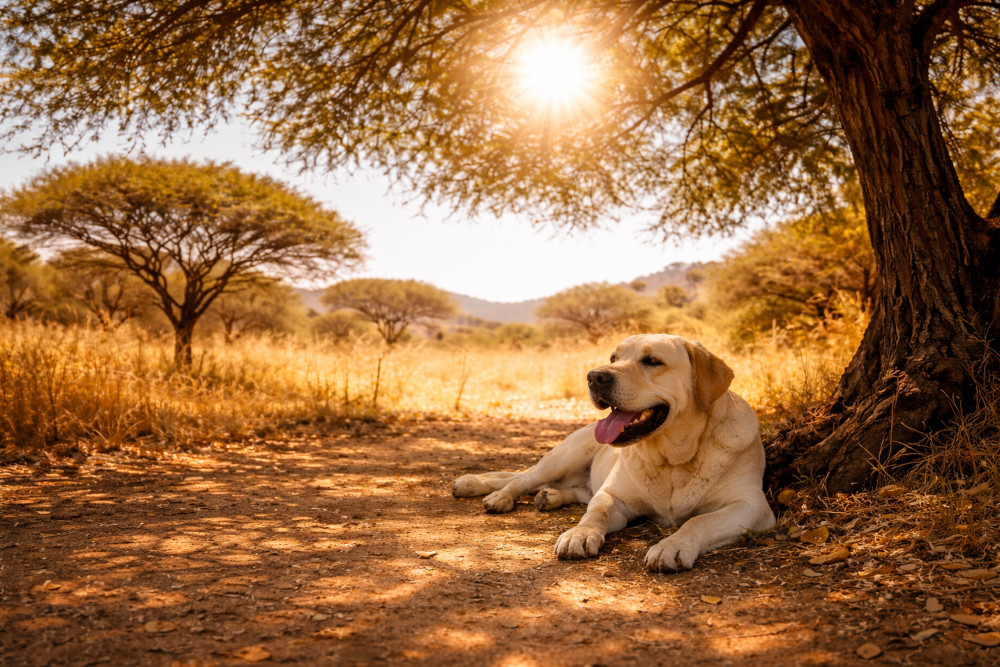
Heatstroke is one of the most common summer emergencies for South African dogs. High temperatures, humidity, loadshedding, and limited shade increase the risk across provinces.
This guide explains heatstroke causes, symptoms, high-risk breeds, first-aid steps, and prevention methods suited to South African conditions.
Why Heatstroke Is a Serious Risk in South Africa
South Africa’s climate brings long, hot summers in many regions.
Provinces such as Limpopo, Mpumalanga, North West, and KwaZulu-Natal regularly reach high temperatures that strain a dog’s ability to cool down. Dogs cool through panting, not sweating, which makes them vulnerable in humid and windless conditions.
Loadshedding increases risk because fans, air conditioners, and water pumps stop working. Dogs left indoors may overheat quickly in sealed houses, while outdoor dogs may lose access to clean drinking water. Heatwaves also affect older dogs, puppies, and dogs with breathing difficulties.
What Causes Heatstroke in Dogs
Heatstroke occurs when a dog’s body temperature rises above safe limits. Unlike people, dogs cannot regulate heat effectively through sweating. Panting cools the body, but it becomes inefficient when humidity rises or when the dog is exercising.
Common causes include:
- Walking during peak heat
- Being left in a car
- Lack of water or shade
- Intense play in hot weather
- Poor airflow indoors during loadshedding
- Long-haired coats that trap heat
- Brachycephalic breathing problems
Heatstroke can develop faster than most owners expect. In hot regions, symptoms can appear within minutes.
High-Risk Dogs in South Africa
Some breeds and conditions increase vulnerability.
Brachycephalic (flat-faced) breeds
These breeds struggle to cool themselves:
- Pugs
- Bulldogs
- Boston terriers
- Boxers
- Shih Tzus
Narrow airways increase the risk of overheating even with light activity.
Thick-coated breeds
Breeds with heavy coats or undercoats overheat faster:
- Huskies
- Malamutes
- German shepherds
- Collies
These coats offer winter protection but trap heat in South African summers.
Working and active dogs
Working dogs may overheat during activity:
- Border collies
- Belgian malinois
- Labradors
- Pointers
Medical risk groups
- Older dogs
- Puppies
- Overweight dogs
- Dogs with heart or respiratory disease
These dogs need extra caution during hot weather.
Symptoms of Heatstroke in Dogs
Heatstroke progresses quickly. Early symptoms may be subtle, but late-stage signs are life-threatening.
Early symptoms
- Excessive panting
- Bright red gums
- Thick, sticky saliva
- Restlessness
- Rapid breathing
Worsening signs
- Vomiting
- Diarrhoea
- Weakness
- Stumbling
- Confusion
Severe symptoms
- Pale or blue gums
- Seizures
- Collapse
- Unconsciousness
Dogs showing moderate or severe symptoms require emergency veterinary care.
How South African Climate Patterns Increase Heat Risk
Different provinces face different heat challenges.
Lowveld and Bushveld (Limpopo, Mpumalanga)
Long, hot summer seasons with high humidity create ideal heatstroke conditions.
Highveld (Gauteng, Free State, North West)
Heat spikes occur in spring and early summer when thunderstorms build humidity.
KZN Coast
High humidity reduces panting effectiveness, raising risk even at moderate temperatures.
Western Cape
Hot, dry Berg winds create sudden temperature surges.
Northern Cape
Extreme heat and minimal shade increase risk for outdoor dogs.
Owners must adjust routines based on local climate and seasonal changes.
How Loadshedding Raises Heatstroke Risk
Loadshedding affects ventilation, access to clean water, and safety. Heat builds quickly in homes without airflow, especially in small apartments or rooms with sealed windows.
Key loadshedding risks:
- Fans and air conditioners switch off
- Water pumps fail, leaving bowls empty
- Houses heat up faster than outdoors
- Owners are away during outages
- Dogs drink from unsafe water sources
Keeping water bottles filled, securing shade, and planning around outage schedules reduce risk.
First Aid for Heatstroke in Dogs
Heatstroke is a medical emergency. Quick action improves survival, but owners must cool the dog safely.
1. Move the dog to a cool area
Use shade, a tiled floor, or an air-conditioned room if available.
2. Offer cool (not ice-cold) water
Let the dog drink small amounts. Do not force water.
3. Wet the dog with cool water
Use running water, a hose, or a wet towel. Avoid ice water, which can worsen shock.
4. Increase airflow
Use a fan or natural breeze. Even gentle air movement helps cooling.
5. Avoid covering the dog
Towels trap heat, so use water directly on the fur.
6. Transport to a vet immediately
Even if symptoms improve, internal organ damage may still occur.
Heatstroke is one of the few emergencies where “wait and see” is dangerous.
Veterinary Treatment for Heatstroke
Vets stabilise dogs using controlled cooling procedures. These avoid sudden temperature drops that can worsen shock.
Treatment may include:
- IV fluids
- Oxygen support
- Electrolyte correction
- Organ monitoring
- Anti-inflammatory medication
- Treatment for secondary complications
Heatstroke can damage the kidneys, liver, and gut. Dogs may need observation for 24–48 hours.
Preventing Heatstroke in South African Summers
Prevention is the safest approach. Simple lifestyle changes significantly reduce risk.
1. Walk dogs during cool hours
Early morning and late evening are safest.
2. Avoid midday activities
Heat peaks between 10:00 and 16:00 across most provinces.
3. Provide shade outdoors
Trees, shade cloth, or verandas help reduce exposure.
4. Keep water accessible
Use multiple bowls, especially during loadshedding.
5. Use cooling mats, wet bandanas, or misting sprays
These help lower body temperature in hot areas.
6. Never leave dogs in cars
Temperatures rise within minutes, even with windows cracked.
7. Groom appropriately
Brush out undercoats to improve airflow. Avoid shaving double-coated breeds.
8. Adjust feeding and exercise
Dogs eat less during heatwaves and may need shorter walks.
9. Monitor high-risk breeds closely
Flat-faced dogs require strict heat management.
Heatstroke Myths in South Africa
Myth: Pouring ice water on a dog cools them faster
Cold water can cause blood vessels to constrict and slow cooling.
Myth: Dogs will stop exercising when too hot
Many dogs continue playing despite overheating.
Myth: Indoor dogs are safe from heatstroke
Closed houses heat up rapidly during loadshedding.
Myth: Only thick-coated dogs overheat
Any dog can experience heatstroke, including short-haired breeds.
When to Visit a Vet After Heat Exposure
A dog must see a vet if they show:
- Excessive panting after rest
- Vomiting
- Weakness
- Bright red or pale gums
- Staggering
- Any collapse
Heatstroke can cause delayed organ damage. Even mild symptoms warrant medical evaluation.
Conclusion
Heatstroke is preventable with the right precautions. South Africa’s climate, humidity patterns, and loadshedding create added risks, but early recognition and quick first aid save lives.
Owners should adjust walking times, provide shade, and ensure constant access to clean water.