
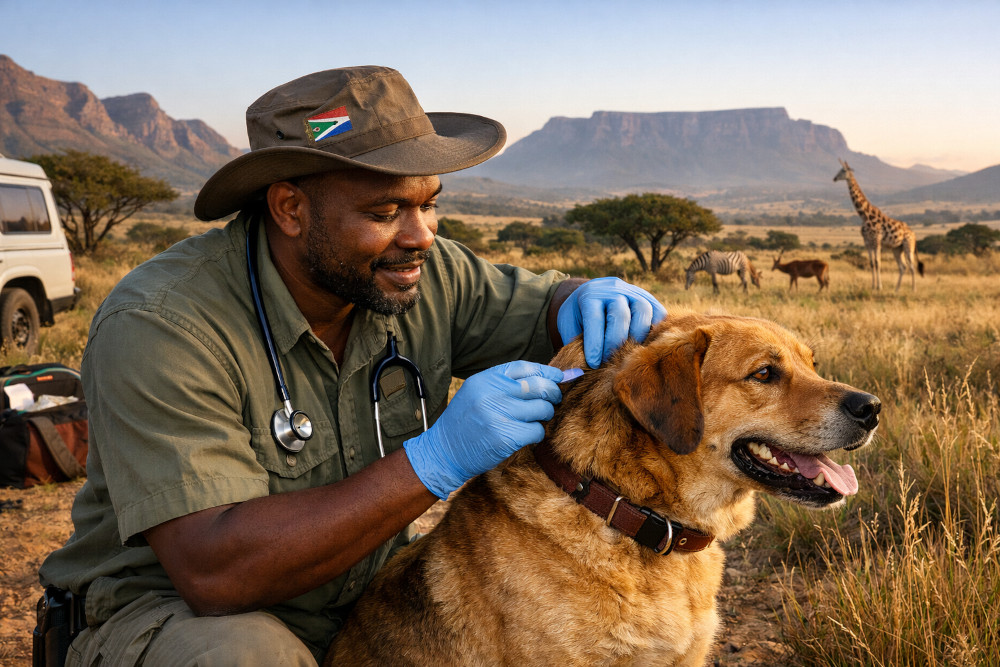
Tick-borne diseases are a major cause of illness and death in South African dogs, especially biliary and ehrlichiosis.
This guide explains tick species, regional risk zones, symptoms, treatment basics, loadshedding effects on parasite control, and prevention methods. It prepares owners for early detection and links to specialised articles in the dog-health series.
This guide is part of our Dog Care Essentials series and the broader South African Pet Health Guide on pet emergencies.
Why Tick-Borne Diseases Are Common in South Africa
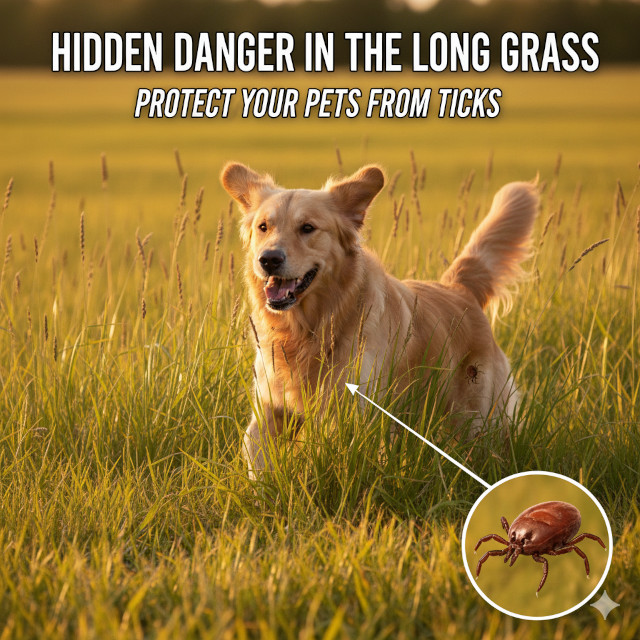
South Africa has a warm climate that allows ticks to breed through most of the year. High humidity and long summers increase tick numbers in regions such as KZN, Mpumalanga, and the Lowveld. These conditions make South African dogs more exposed than dogs in cooler countries.
Free-roaming dogs, wildlife movement, and poor fencing also spread ticks between communities. Many tick species carry blood parasites, which cause severe illness when they enter a dog’s bloodstream. Tick-prevention products vary in quality, and some low-cost options sold in supermarkets fail to kill ticks fast enough.
Main Tick-Borne Diseases in South African Dogs
Two serious diseases dominate South African veterinary reports: biliary (babesiosis) and ehrlichiosis. These conditions develop quickly and can be fatal if missed, so owners must recognise symptoms early.
1. Biliary (Babesiosis)
Biliary is caused by a parasite that destroys red blood cells. It leads to anaemia, organ strain, and rapid deterioration. Symptoms appear suddenly and can worsen in hours.
Dogs infected with biliary often collapse without warning. Early treatment improves survival, but late treatment has a high fatality rate.
2. Ehrlichiosis
Ehrlichiosis is caused by a bacteria-like organism spread by the brown dog tick. It affects platelets and the immune system. Symptoms may be mild at first but later progress to bleeding disorders and chronic illness.
Ehrlichiosis is often misdiagnosed because early signs overlap with many other illnesses. Blood tests confirm the infection and help guide treatment.
The Ticks Responsible for These Diseases
South Africa has several tick species, but only a few spread serious disease.
Brown Dog Tick (Rhipicephalus sanguineus)
- Found nationwide
- Primary carrier of ehrlichiosis
- Thrives in kennels, yards, and warm homes
Yellow Dog Tick (Haemaphysalis elliptica)
- Common in KZN, Limpopo, Mpumalanga, Eastern Cape
- Main carrier of biliary
- Active in summer and after heavy rains
Bush Tick Species (various)
- Higher risk in rural and farm areas
- Can carry mixed infections
Removing ticks quickly reduces infection risk, but some parasites transmit within hours. This makes fast-acting tick products essential.
Regional Tick and Biliary Risk in South Africa
Tick activity is not equal across the country. Climate, vegetation, and humidity shape risk levels.
High-risk regions
- KwaZulu-Natal coastal and inland
- Mpumalanga Lowveld
- Limpopo Bushveld
- Eastern Cape bush and rural towns
- Free State and North West farming areas
These areas experience long summer seasons and high wildlife movement, creating ideal tick environments.
Moderate-risk regions
- Gauteng suburban areas
- Northern Cape river corridors
- Western Cape inland regions during warm months
Tick numbers rise after rain or heat waves.
Lower-risk regions
- Western Cape coastal zones in winter
- High-altitude cold areas
Even low-risk zones still experience seasonal spikes, making prevention necessary everywhere.
Tick Season by Climate Zone
Tick season varies across climates, but some patterns are consistent.
Lowveld and Bushveld
Ticks remain active most of the year due to heat and vegetation.
KZN Coast
Peak season runs from spring to late autumn, with explosive growth after storms.
Eastern Cape
Ticks surge during warm, wet months and decline slightly during winter.
Karoo and Semi-arid Areas
Risk increases after rainfall because dormant tick populations hatch in large numbers.
Urban Highveld (Gauteng)
Ticks peak in spring and early summer.
Knowing your region’s tick cycle helps with timing prevention treatments correctly.
Why Cheap Tick Products Often Fail
Many supermarket tick collars and dips do not work well in South African conditions. Some act too slowly, allowing infected ticks to stay attached long enough to spread disease.
Common issues include:
- Weak active ingredients
- Short protection periods
- Resistance in tick populations
- Failure during hot or rainy seasons
- Poor performance on long-haired dogs
Vet-recommended products usually kill faster and last longer, reducing risk of biliary and ehrlichia.
Symptoms of Biliary in Dogs
Biliary often develops fast. Dogs may seem normal in the morning and collapse by evening. Early detection is critical.
Common biliary symptoms:
- Sudden tiredness
- Weakness
- Pale gums
- Yellow gums or eyes
- Loss of appetite
- Dark or red urine
- Vomiting
- Rapid breathing
- Collapse in severe cases
Dogs with suspected biliary must see a vet immediately because delays decrease survival.
Symptoms of Ehrlichiosis in Dogs
Ehrlichiosis may start mildly and become severe weeks later.
Common early signs:
- Low appetite
- Fever
- Stiffness or joint discomfort
- Tiredness
Late-stage symptoms:
- Nosebleeds
- Bruising
- Weight loss
- Swollen lymph nodes
- Chronic infections
Ehrlichiosis becomes harder to treat in late stages, making early diagnosis important.
Diagnosing Tick-Borne Diseases
Vets diagnose biliary and ehrlichiosis using blood tests. A full blood count reveals anaemia, platelet levels, and signs of organ strain. Special tests can detect parasites directly.
Tick-borne diseases often cause overlapping symptoms. Dogs may also have mixed infections, which require targeted treatment. Quick diagnosis improves the chances of recovery.
Treatment Basics
Biliary Treatment
Treatment focuses on stopping the parasite and stabilising the dog. Severe cases may need hospitalisation, intravenous fluids, or blood transfusion.
Ehrlichiosis Treatment
Ehrlichiosis is treated with antibiotics such as doxycycline. Recovery may take weeks, especially in chronic cases.
Costs vary across provinces. In severe cases, treatment can exceed several thousand rand, which is why prevention is far cheaper than cure.
Loadshedding and Tick Risk in South Africa
Loadshedding indirectly increases tick-related danger.
How loadshedding raises risk:
- Owners may delay tick-bath routines during outages
- Electric fencing failures allow wildlife to enter yards
- Pools and stagnant water increase tick habitat
- Stress and heat weaken a dog’s immune response
- Tick products requiring refrigeration may spoil
Long outages in summer create ideal tick conditions. Owners should maintain prevention schedules even when routine is disrupted.
Tick Prevention That Works in South Africa
An effective tick-prevention plan includes vet-approved products, environmental control, and regular checks.
1. Veterinary tick products
These work fastest and provide the best coverage. Options include chewables, spot-ons, and long-acting collars.
2. Yard management
Short grass, trimmed bushes, and reduced shade help limit tick habitat.
3. Regular tick checks
Daily checks during summer catch attached ticks early. Ticks often hide behind ears, between toes, under the collar, and around the tail.
4. Bathing and grooming
Regular washing reduces tick numbers but should not replace proper prevention products.
When to See a Vet Immediately
Dogs need urgent vet care if they show:
- Sudden weakness
- Pale or yellow gums
- Red or brown urine
- Refusal to eat
- Extreme tiredness
- Collapse
Tick-borne diseases worsen quickly and are often fatal without rapid treatment.
Conclusion and Internal Link Suggestions
South African dogs face high tick-borne disease risk due to climate, regional tick activity, and variable product quality. Early detection, fast treatment, and consistent prevention reduce the chance of severe illness.
Owners should stay alert during hot and wet seasons, especially in high-risk provinces
1 thought on “TICK AND BILIARY DISEASE GUIDE”
Comments are closed.