
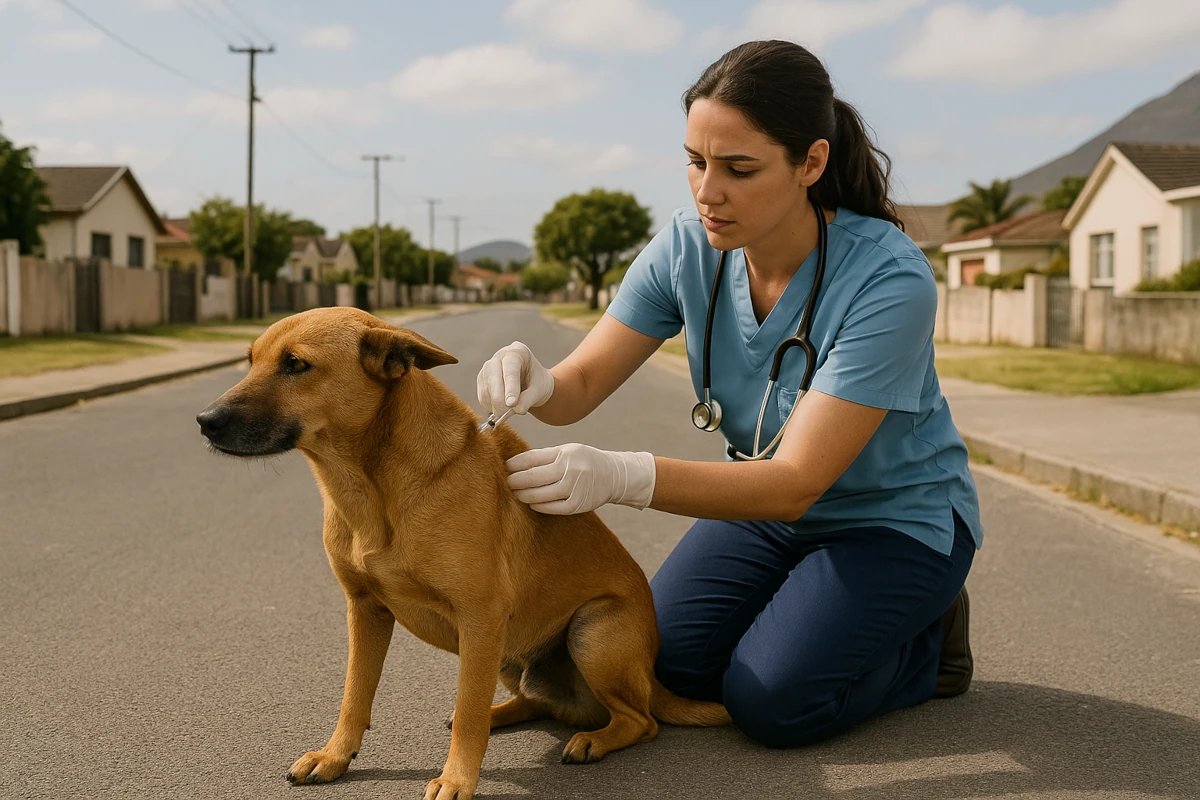
South African pet owners manage pets in diverse climates and environments, which affects health routines.
This basic guide covers essential care for dogs, cats, birds, and reptiles, helping owners follow safe practices, prevent illness, and recognise early warning signs.
Dog health in South Africa

Dog health in South Africa relies on prevention, legal compliance, and basic daily care.
Rabies vaccination is required by law in all nine provinces and supported by free government campaigns. Core vaccines such as distemper, parvovirus, and adenovirus reduce common infectious risks in urban and rural areas.
Parasite control is essential due to ticks and fleas being active year-round in many provinces. Tick-borne diseases such as biliary are common and need early intervention. Monthly preventatives lower the risk.
Deworming every three months supports digestive health and reduces transmission risks inside homes.
Nutrition should match the dog’s age, activity level, and medical needs.
Many owners choose regulated commercial brands with visible V-numbers. Fresh water and controlled feeding prevent obesity, which is increasing among city pets. Grooming supports skin and coat health, especially in hot summers when dogs shed heavily.
Exercise routines should be adapted to weather conditions. High temperatures increase dehydration risks, especially for brachycephalic breeds. Morning and late-afternoon walks lower heat stress. Leash training reduces injury risk in suburban environments where wildlife and traffic mix.
Regular vet check-ups once a year allow early detection of dental problems, arthritis, and organ issues. Senior dogs need two check-ups per year for age-related changes.
Behaviour changes such as reduced activity, appetite loss, or aggression can indicate pain, anxiety, or illness.
Dog care essentials for South African owners
Cat health in South Africa
Cat health care focuses on disease prevention, environmental safety, and stress management.
Core cat vaccines protect against panleukopenia, calicivirus, and herpesvirus, while rabies vaccination is recommended nationwide. Indoor cats also benefit from vaccination due to virus transmission through shared human contact and surfaces.
Parasite control is important because indoor cats still pick up fleas from visitors, clothing, and other animals. Flea allergies and dermatitis cause skin irritation and secondary infections. Regular tick checks are necessary in rural areas where cats roam outside. Deworming supports both cat and human health through reduced parasite transmission.
Nutrition affects weight and long-term organ health. Portion control prevents obesity, which is common in indoor cats. Wet food supports hydration and reduces urinary issues.
Older cats need diets with controlled phosphorus to protect kidney function. Water access through fountains helps encourage regular drinking.
Environmental enrichment reduces stress and destructive behaviour. Multi-cat homes need separate food bowls, litter trays, and resting spaces to prevent conflict. Vertical spaces, scratching posts, and hiding spots improve comfort. Sunlit windows support natural behaviour but need secure screens.
Routine veterinary care identifies dental disease, thyroid imbalances, and kidney problems early. Cats hide pain, so owners should monitor subtle changes such as reduced jumping, hiding, vocalisation changes, or altered litter box habits.
Senior cats benefit from bloodwork at least once per year.
Cat care essentials for South African homes
Bird health in South Africa
Companion birds depend on controlled diets, clean housing, and access to natural light.
Seed-only diets are common but lead to nutrient deficiencies. Balanced formulated pellets should make up most of the diet, supported by vegetables and limited fruit. Fresh water must be available daily to prevent dehydration and bacterial growth.
Housing needs ventilation, sunlight, and secure perches. Indoor cages should be large enough to allow full wing extension and movement.
South African climates vary, so owners must protect birds from drafts in winter and overheating in summer. Outdoor aviaries need predator-proof mesh and shade structures.
Hygiene reduces respiratory risk. Daily removal of droppings, weekly deep-cleaning, and rotation of perches prevent bacterial and fungal build-up. Birds are sensitive to fumes from non-stick cookware, aerosols, and cleaning agents, so households should manage airflow carefully.
Behavioural health matters because birds are social animals. Daily interaction reduces stress and prevents feather plucking. Toys support mental stimulation. Noise levels and routines influence calm behaviour. Birds respond well to consistent lighting cycles that follow sunrise and sunset where possible.
Health signs include smooth feathers, clear eyes, regular droppings, and stable weight.
Sudden quietness, tail-bobbing, open-mouth breathing, or reduced appetite require immediate veterinary care.
South Africa has a limited number of avian vets, so owners should identify a qualified practice before emergencies.
Bird care essentials for South African homes
Reptile health in South Africa
Reptile care depends on controlled environments rather than routine vaccines.
Habitat design affects every aspect of reptile health, from digestion to immunity. Each species needs specific temperature gradients, humidity, and lighting. Incorrect temperatures cause digestive failure, lethargy, and respiratory issues.
Heating elements such as ceramic lamps or heat mats must remain on secure thermostats to prevent overheating. South African households experience load-shedding, so backup heating plans such as insulated enclosures or battery-powered pads support stable temperatures. Reptiles are sensitive to sudden drops.
UVB lighting is essential for many species. It supports calcium absorption and bone formation. Bulbs must be replaced every six to twelve months because UV output declines even when the bulb still lights.
Humidity should match species needs and be monitored with digital devices.
Diet varies across reptiles. Herbivores need leafy greens and vegetables, while insectivores depend on gut-loaded insects. Calcium and vitamin supplements prevent metabolic bone disease. Clean water bowls reduce bacterial infections and support shedding.
Handling should be limited during shedding periods to avoid skin injuries.
Enclosure hygiene includes removing waste regularly and replacing substrate to prevent mould and parasites. Secure cages prevent escape and protect pets from household dangers.
Signs of illness include lack of appetite, irregular shedding, swollen limbs, soft shells in turtles, or wheezing. Reptiles hide symptoms longer than mammals, so early vet assistance is important.
Reptile care essentials for South African keepers
Cross-species health principles
- Preventive health applies across all pets.
- Clean environments reduce disease.
- Regular feeding routines and fresh water support stable digestion.
- Monitoring behaviour allows early detection of illness.
- Safe handling prevents injuries.
- South African climate conditions such as heat waves, humidity fluctuations, and load-shedding require adaptable management.
Veterinary relationships support long-term wellbeing. Each species benefits from yearly check-ups, diagnostic screenings, and specialised care when needed.
Owners should keep emergency contacts for clinics that work with their specific species, especially birds and reptiles that need specialised skills.
Responsible ownership includes secure housing, species-appropriate diets, and controlled access to outdoor environments. Environmental enrichment reduces stress and supports natural behaviour.
Clear routines help pets adapt to household patterns, which benefits training and behaviour management.
Conclusion
Pet health across dogs, cats, birds, and reptiles in South Africa relies on prevention, environmental control, and early detection.
Owners who follow species-specific routines reduce illness risks and support long lives.
This guide forms a base pillar for further reading.
10 thoughts on “SOUTH AFRICAN PET HEALTH GUIDE”
Comments are closed.