
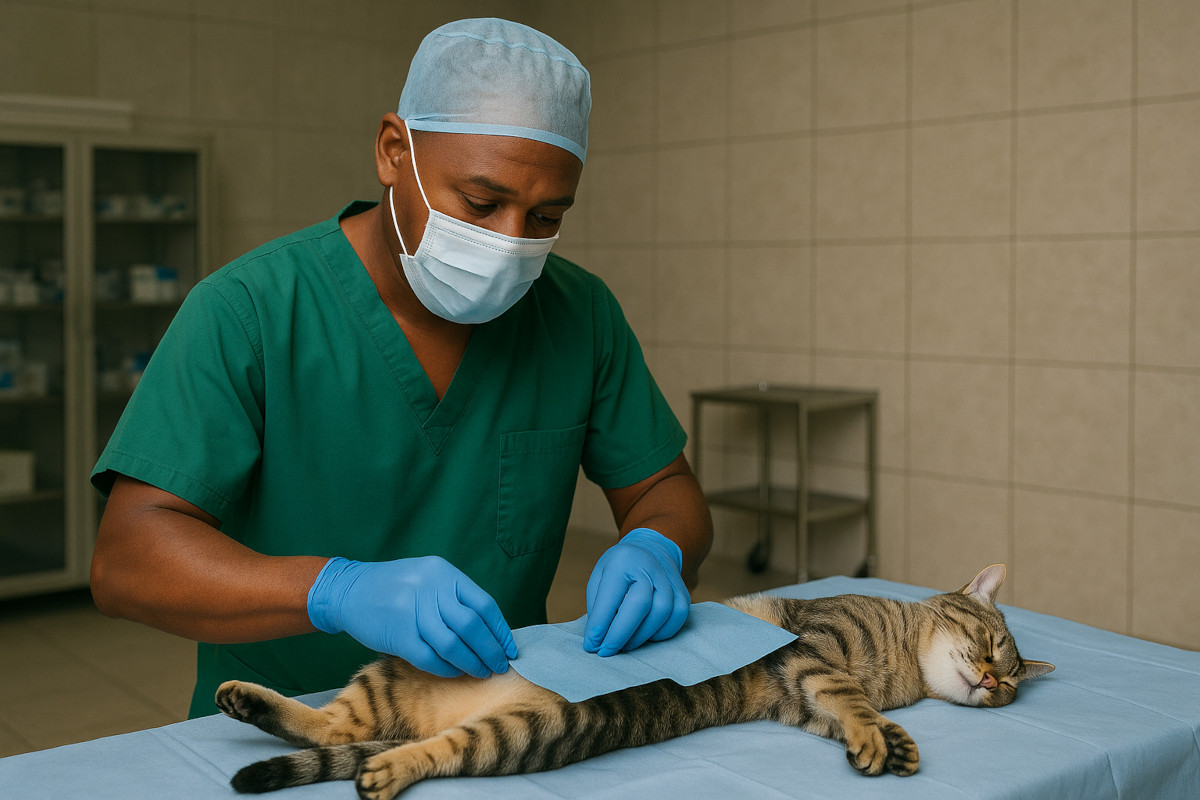
Sterilising cats in South Africa helps reduce unwanted litters, cat fights, roaming behaviour, feral colony growth, and hormone-driven illnesses.
Many owners delay sterilisation because of cost concerns, myths, or lack of access to veterinary services in rural towns.
This guide explains the benefits, risks, pricing, timing, and common misconceptions about spaying and neutering cats in South Africa. It is part of the Cat Care Essentials article hub and the South African Pet Health Guide.
Why Sterilising Cats Matters in South Africa

South Africa faces a major overpopulation problem.
Unsterilised cats contribute to large feral colonies, especially in cities, informal settlements, and farm areas.
Sterilisation improves welfare for both indoor and outdoor cats. It reduces stress, roaming, and fighting, and prevents hormone-related diseases.
What Sterilisation Means: Spay vs Neuter
Spaying (Females)
Surgical removal of the ovaries and uterus.
Neutering (Males)
Removal of the testicles.
Both procedures are routine in South African veterinary clinics. Recovery is usually quick, and complications are rare when proper aftercare is followed.
Ideal Age to Sterilise a Cat in South Africa
Most vets recommend sterilising at 4–6 months.
For female cats
- Prevents first heat
- Reduces risk of pregnancy
- Lowers chance of mammary cancer
For male cats
- Reduces spraying
- Lowers aggression
- Prevents roaming and fighting
Outdoor cats should be sterilised earlier due to high roaming risk. Early sterilisation does not stunt growth.
Common Myths About Sterilising Cats in South Africa
“My female must have one litter first.”
False — no health benefit.
“Neutered males become fat.”
Weight gain happens from diet and inactivity, not the surgery.
“Indoor cats don’t need sterilisation.”
Indoor cats can escape or mate through shared windows in complexes.
“Sterilisation is cruel.”
Surgery prevents far more suffering from fights, pregnancy, and feral life.
“Cats become less playful afterward.”
Cats remain just as active after recovering.
Myths often spread through informal communities and online groups. Relying on veterinary guidance ensures accurate information.
Behavioural Benefits of Sterilisation
1. Less roaming
Unsterilised males roam long distances to find mates. This increases risk of car accidents, dog attacks, and territorial fights.
2. Reduced spraying
Neutering reduces or eliminates marking behaviour.
3. Fewer fights
Sterilised cats fight less. This lowers the risk of abscesses, injury, and infection.
4. Calmer behaviour indoors
Many owners report calmer, more predictable behaviour.
Health Benefits of Sterilisation
For females
- Prevents uterine infections (pyometra)
- Reduces mammary cancer risk
- Prevents pregnancy-related complications
For males
- Prevents testicular cancer
- Reduces hormone-driven prostate problems
- Lowers FIV transmission from fighting
Sterilisation contributes to longer, healthier lives. It also reduces mating-related stress.
Costs of Sterilising Cats in South Africa
Prices vary widely depending on province, clinic type, and cat size.
Typical private vet costs:
- Female spay: R1,200–R2,500
- Male neuter: R750–R1,500
SPCA and welfare clinic prices:
- Female spay: R450–R900
- Male neuter: R300–R700
Mobile outreach clinics
Available in:
- Rural towns
- Informal settlements
- Low-income urban areas
Pricing varies, but often cheaper or donation-based.
Owners should confirm whether vaccinations are required beforehand. Some clinics include microchipping for a small extra fee.
Rural Vet Access and Sterilisation Challenges
Many rural areas in South Africa have:
- Limited vet availability
- Long travel distances
- Irregular clinic hours
- Lower access to welfare services
Solutions include:
- Mobile sterilisation clinics
- Community-based drives
- Booking months in advance
- Transport assistance from local animal groups
Rural cats reproduce quickly when unsterilised. Early intervention helps control feral populations.
The Sterilisation Procedure: What Owners Can Expect
Before surgery
- Withhold food overnight
- Provide fresh water
- Inform vet about medication or illness
- Transport cat in a secure carrier
During surgery
- Cat receives anaesthesia
- Vitals monitored
- Procedure takes 20–40 minutes
After surgery
- Rest in a warm, quiet area
- Prevent jumping for 7–10 days
- Monitor incision
- Provide prescribed pain medication
Most cats recover smoothly within one week. Complications are rare when instructions are followed.
Risks and Complications
Though uncommon, complications may include:
- Infection
- Swelling
- Bleeding
- Anaesthetic reactions
- Opening of incision
Immediate vet attention is necessary if the surgical site becomes red, hot, or swollen. Lethargy beyond 24 hours should also be investigated.
Impact on Feral Cat Populations
South Africa has large feral cat colonies in:
- Schools
- Factories
- Restaurants
- Farms
- Coastal towns
- Informal settlements
Sterilisation benefits include:
- Reduced fighting
- Fewer kittens dying from disease
- Lower noise from mating
- Healthier colonies
- Less wildlife predation
Many welfare organisations use TNR (Trap-Neuter-Return) programmes. Sterilising even one outdoor cat makes a measurable difference.
Loadshedding and Sterilisation Challenges
Loadshedding complicates sterilisation for both vets and owners.
During power cuts:
- Some clinics cannot perform surgery
- Monitoring equipment may be limited
- Fridge-stored anaesthetic drugs require stable temperatures
Owners should:
- Ask clinics about backup power
- Avoid booking surgeries during predicted high-stage outages
- Keep cats warm and calm during recovery
Temperature fluctuations after surgery can slow healing. Stable indoor conditions support recovery.
When to Delay Sterilisation
Delay only if:
- Cat has a fever
- Respiratory infection is present
- Cat is severely underweight
- Recent poisoning or illness occurred
A vet will advise the safest timing. Healthy cats should not have unnecessary delays.
Signs a Cat Needs Veterinary Attention After Surgery
Seek urgent help if your cat:
- Refuses to eat for 24 hours
- Has difficulty breathing
- Shows severe lethargy
- Has discharge from the incision
- Has a swollen or painful abdomen
- Vomits repeatedly
Early detection prevents complications. Follow-up exams help ensure proper healing.
Conclusion
Sterilising cats in South Africa reduces unwanted litters, improves health, and prevents many behavioural problems. Affordable options exist through SPCA and mobile clinics, and early sterilisation gives cats the best long-term outcome.
Understanding myths, rural access challenges, and recovery needs helps owners make informed decisions.
1 thought on “SA CAT STERILISATION GUIDE”
Comments are closed.