

Intro to Cat Care Essentials
Cat owners in South Africa need simple and structured guidance on cat care, cat health basics, cat nutrition requirements, and cat behaviour patterns.
This article provides a high-level overview to help owners understand essentials before moving to detailed guides.
Cats have unique needs compared to dogs, and this hub supports safe long-term care.
Emergency and urgent care
Digestive and illness symptoms
Long-term health and wellbeing
Prevention and responsible ownership
- CAT CARE ESSENTIALS
- FIV AND FeLV IN SOUTH AFRICA
- SA CAT STERILISATION GUIDE
- WHY CATS STOP EATING
- SA CAT VACCINE PLAN
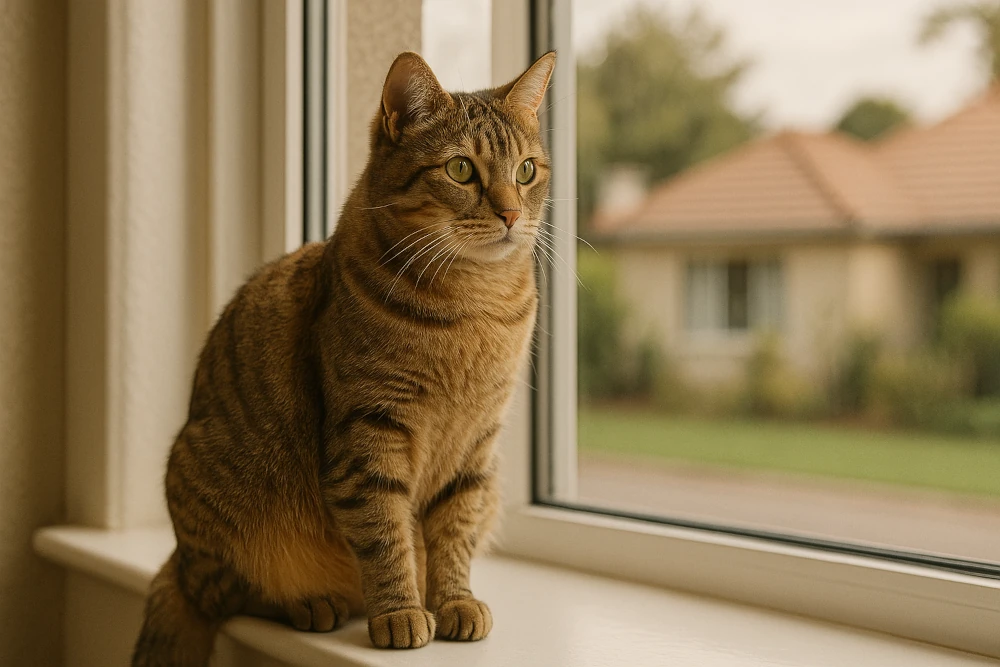
Daily Cat Care Overview
Cats need predictable routines for feeding, enrichment, litter hygiene, and medical care.
Household risks such as toxic plants, unsecured cleaners, or open windows must be managed. Cats often hide illness, which makes awareness of small changes important.
Indoor cats require stimulation to prevent stress and inactivity. Outdoor cats face more hazards, including traffic, parasites, and territorial fights.
Owners should plan care based on lifestyle.
Cat Health Basics
Cat health management includes disease prevention, early detection, and maintaining stable nutritional intake.
South Africa’s climate increases risk for dehydration, tick exposure in certain areas, and heat stress. Indoor cats may develop issues related to inactivity or poor hydration.
A yearly vet check remains essential. Cats often mask symptoms until conditions become advanced, so annual assessments help identify dental disease, weight problems, kidney function issues, and early metabolic conditions.
Key Cat Health Topics
- Core vaccinations and boosters
- Internal parasite control for roundworms and tapeworms
- External parasite control in tick-prone regions
- Dental maintenance for tartar control
- Weight monitoring
- Urinary tract health linked to hydration
Common Cat Illness Warning Signs
Cats show illness subtly.
Owners should watch for:
- Decreased appetite or complete refusal to eat
- Changes in litter habits or urine frequency
- Repeated vomiting or hairballs outside normal patterns
- Swollen gums or bad breath
- Scratching at ears
- Hiding more than normal
These signs allow quick decisions on when to seek veterinary help without becoming a full diagnostic guide.
Cat Nutrition Basics
Cats are obligate carnivores and require higher animal-based protein than dogs.
Balanced commercial cat foods carry V-numbers and meet South African nutritional standards. Indoor cats tend to gain weight easily, so portion control and feeding schedules are important.
Key Nutrition Considerations
- Wet food supports hydration
- Dry food assists with dental texture but must be balanced
- Senior cats require adjusted calorie levels
- Kittens need higher protein and more meals
- Special diets may be recommended for urinary health or allergies
Homemade, Raw, and Mixed Diets
Some owners prepare raw or home-cooked diets.
These diets must be formulated carefully to avoid nutrient imbalance. Cats have specific taurine requirements that cannot be met by many homemade recipes unless supplemented.
Cat Behaviour Basics
Cats express behaviour through posture, movement, and environmental interaction. Understanding these patterns helps owners prevent stress and improve household harmony.
Key behaviour themes:
- Territory and safe zones
- Litter box acceptance
- Play patterns that mimic hunting
- Scratching behaviour for claw health
- Fear or anxiety triggers
Litter, Grooming, and Hygiene
Cats need clean litter boxes placed in quiet areas.
A general guideline is one box per cat plus one spare. Scooping daily prevents inappropriate elimination.
Grooming needs vary by breed. Short-haired cats require simple brushing. Long-haired breeds may need more frequent maintenance to prevent knots. Nail trimming reduces injury risk.
Indoor and Outdoor Risks
Indoor cats need climbing structures, scratching posts, toys, and predictable feeding.
Outdoor cats face hazards such as:
- Traffic
- Dog encounters
- Feral cat conflicts
- Tick and flea exposure
- Poison ingestion
- Human conflict
Outdoor cats benefit from microchipping and regular parasite control.
When to See a Vet
A vet should be consulted when:
- The cat stops eating
- Litter habits change
- A wound appears from a fight
- Weight loss is rapid
- Vomiting lasts more than 24 hours
- Breathing appears laboured
This guide forms part of our complete South African Pet Health Guide, covering dogs, cats, birds, and reptiles.
8 thoughts on “CAT CARE ESSENTIALS”
Comments are closed.