
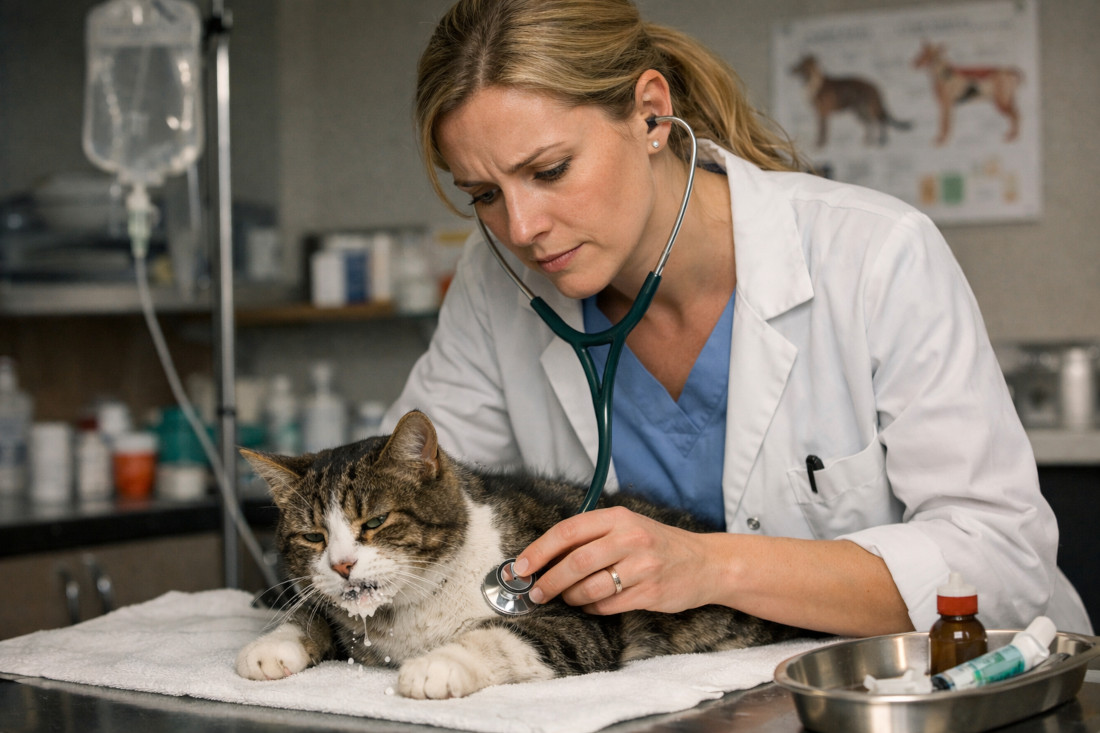
Cat poisoning is a major risk in South Africa because many common household products, garden plants, pesticides, and human medications are highly toxic to cats. Even small exposures can cause severe symptoms or life-threatening emergencies.
This guide explains the most dangerous South African poisons, symptoms to watch for, safe home actions, and when immediate veterinary treatment is required. It is part of the Cat Care Essentials hub and South African Pet Health Guide.
Why South African Cats Face High Poisoning Risk
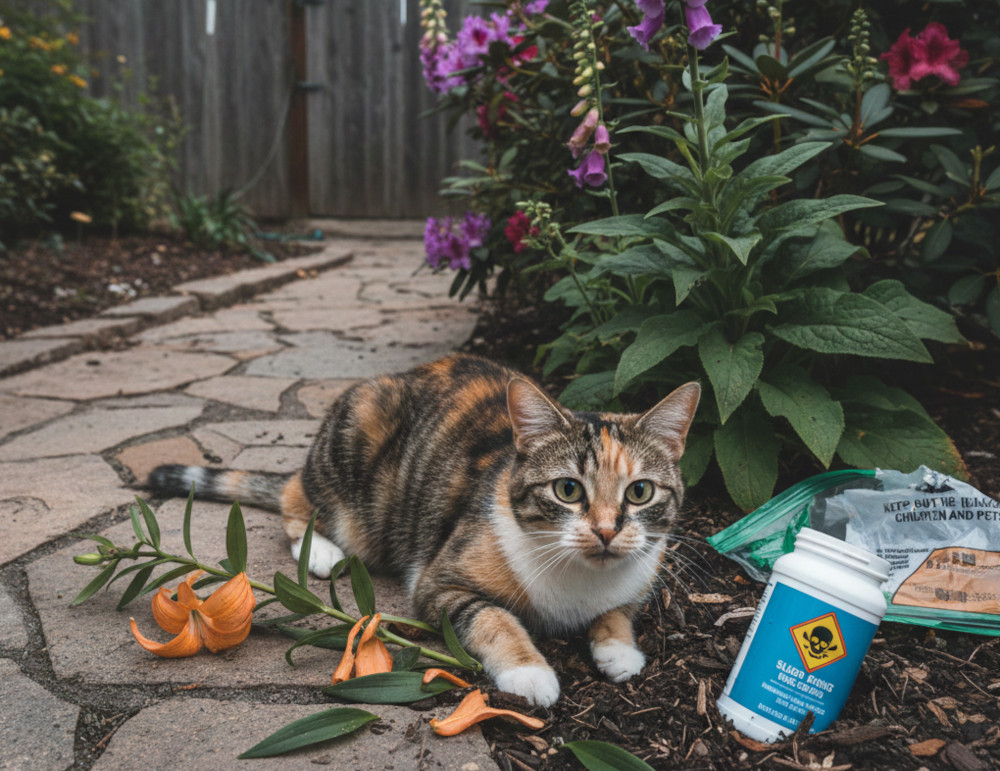
South African households often use pesticides, outdoor bait stations, household chemicals, and rodent control products due to climate, pests, and loadshedding-related food spoilage. Cats also roam freely in many suburbs, exposing them to neighbourhood toxins.
Common SA factors include:
- Organophosphate pesticides
- Rat poison left outdoors
- Two-Step (extremely dangerous)
- Poisoned rodents
- Toxic garden plants such as lilies
- Essential oils used during loadshedding
- Human medication left out
- Dog products containing permethrin
Indoor and outdoor cats are equally at risk.
Fastest Rule: If You Suspect Poisoning, Go to a Vet Immediately
Most poisons act quickly.
Home treatment is limited and often unsafe. Cats deteriorate much faster than dogs because their liver cannot process many chemicals.
Most Dangerous Poisons for Cats in South Africa
1. Lilies (EXTREMELY TOXIC)
Lilies cause acute kidney failure. Every part is poisonous: petals, leaves, pollen, vase water.
Symptoms
- Vomiting
- Drooling
- Loss of appetite
- Seizures
- Kidney failure within 24–72 hours
Immediate vet care is essential.
2. Two-Step (Temik / Aldicarb)
A common illegal poison used in crimes and rodent control.
Symptoms
- Severe drooling
- Tremors
- Vomiting
- Seizures
- Breathing collapse
Two-Step poisoning is often fatal without immediate treatment.
3. Rat Poison (Rodenticide)
South Africa commonly uses:
- Bromadiolone
- Brodifacoum
- Warfarin
- Zinc phosphide
Cats may eat the bait directly or eat a poisoned rodent.
Symptoms
- Bleeding from nose or gums
- Blood in stool
- Weakness
- Pale gums
- Collapse
Internal bleeding can occur for days before symptoms appear.
4. Organophosphate and Carbamate Pesticides
Common in gardens, farms, and rural properties.
Symptoms
- Drooling
- Vomiting
- Small pupils
- Twitching
- Breathing trouble
These require rapid antidote treatment.
5. Dog Tick and Flea Products Containing Permethrin
Permethrin is highly toxic to cats. Even contact with a recently treated dog can cause poisoning.
Symptoms
- Tremors
- Seizures
- Drooling
- Ataxia
- Collapse
Never use dog parasite products on cats.
6. Paracetamol (Panado / Panadol)
Even tiny doses kill cats.
Causes fatal liver and blood damage.
Symptoms
- Dark gums
- Vomiting
- Swelling
- Breathing difficulty
Paracetamol poisoning is a medical emergency.
7. Essential Oils
Diffusers and “natural remedies” cause toxicity in cats.
Most dangerous oils include:
- Tea tree
- Eucalyptus
- Cinnamon
- Peppermint
- Clove
- Lavender
Symptoms
- Drooling
- Vomiting
- Tremors
- Breathing difficulty
Cats lack enzymes to process these oils.
8. Household Chemicals
South African homes often use:
- Bleach
- Ammonia
- Pine disinfectants
- Paraffin
- Pool chlorine
These cause chemical burns and respiratory distress when ingested or inhaled.
9. Toxic Plants in South African Gardens
Common local plants poisonous to cats include:
- Sago palm
- Aloe
- Poinsettia
- Euphorbia species
- Cycads
- Tulips
- Daffodils
Outdoor cats often chew plants when nauseous.
10. Snake Venom
Cobra, puff adder, and boomslang bites poison cats rapidly.
Common Symptoms of Poisoning in Cats
Symptoms vary depending on the toxin.
Early symptoms
- Vomiting
- Drooling
- Sudden appetite loss
- Tremors
- Pawing at the mouth
Neurological symptoms
- Seizures
- Twitching
- Ataxia (wobbling)
- Pupils not responding to light
Internal symptoms
- Bleeding
- Pale gums
- Rapid breathing
- Weakness
- Collapse
Any combination of these signs requires immediate veterinary care.
What To Do Immediately if You Suspect Poisoning
1. Stay calm and secure your cat
Reduce stress and prevent further ingestion.
2. Do NOT make your cat vomit
This can worsen poisoning or cause burns.
3. Do NOT give milk, charcoal, or home remedies
These delay proper treatment and may be harmful.
4. Remove access to the toxin
Take away plants, chemicals, or spilled substances.
5. Bring packaging or plant samples
Helps vets identify the toxin.
6. Transport your cat to a vet immediately
Time is critical for survival.
Cats decline rapidly when poisoned.
Veterinary Treatment for Poisoned Cats
Vets use stabilisation and antidotes where available.
Common treatments
- Activated charcoal to bind toxins
- IV fluids
- Antidotes (Vitamin K for rodenticide; atropine for organophosphates)
- Seizure control medication
- Anti-nausea medication
- Oxygen support
- Blood transfusions (if internal bleeding occurs)
Hospitalisation may last several days.
Costs of Poisoning Treatment in South Africa
Treatment costs vary by toxin type and severity.
Typical ranges
- Mild exposure: R800–R2,000
- Moderate poisoning: R2,000–R6,000
- Severe poisoning: R8,000–R15,000+
- Snakebite poisoning: R10,000–R25,000+
Early treatment reduces cost and improves outcome.
How Loadshedding Increases Poisoning Risk
Loadshedding influences poisoning patterns in several ways:
- Increased rodent movement → more rat poison use
- Food spoils faster → cats ingest rotten scraps
- Dark rooms → easier access to toxins
- Essential oil diffusers used for smell control
- Stress and anxiety trigger exploratory behaviour
Cats become more vulnerable during extended outages.
Safe Storage and Prevention Tips
1. Store chemicals securely
Use high shelves and locked cupboards.
2. Avoid essential oil diffusers
Cats inhale and absorb oils quickly.
3. Use pet-safe pest control
Opt for enclosed bait stations placed out of reach.
4. Remove lilies and toxic plants
Replace them with pet-safe indoor plants.
5. Keep medication in closed containers
Cats chew blister packs.
6. Avoid dog flea/tick products
Use cat-specific treatments only.
7. Supervise outdoor cats
Reduce roaming in high-risk areas.
When to See a Vet Immediately
Go to the vet at once if your cat:
- Ate any part of a lily
- Drank or licked pesticide
- Ate rat poison
- Chewed essential oil bottles
- Showed sudden tremors or seizures
- Collapsed
- Vomited repeatedly
- Has pale or blue gums
Poisoning is always an emergency.
Conclusion
Cat poisoning is a major risk in South Africa due to common household chemicals, plants, pesticides, and unsafe flea products.
Early recognition and immediate veterinary care dramatically improve outcomes. Prevention, safe storage, and avoiding dangerous substances protect cats from life-threatening exposure
1 thought on “CAT POISONING GUIDE”
Comments are closed.