
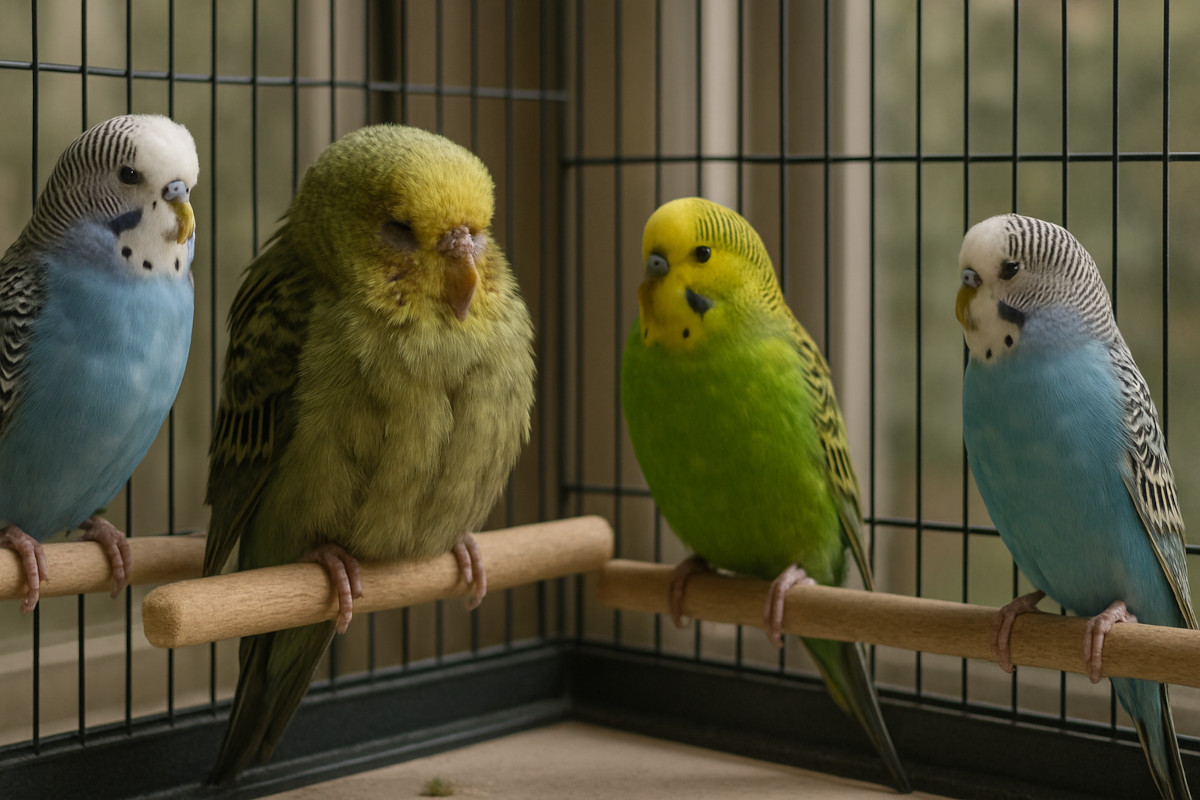
Birds hide illness until it becomes severe, which makes early detection one of the most important parts of bird care in South Africa. Subtle changes in posture, appetite, breathing, and behaviour often indicate disease long before obvious symptoms appear.
This guide explains the early warning signs of illness in South African pet birds, the conditions that commonly affect African Greys, budgies, cockatiels, lovebirds, and parrots, and how heat, loadshedding, and local environmental risks influence bird health. It is part of the Bird Care Essentials article hub and the South African Pet Health Guide.
Why Early Detection Matters in Birds
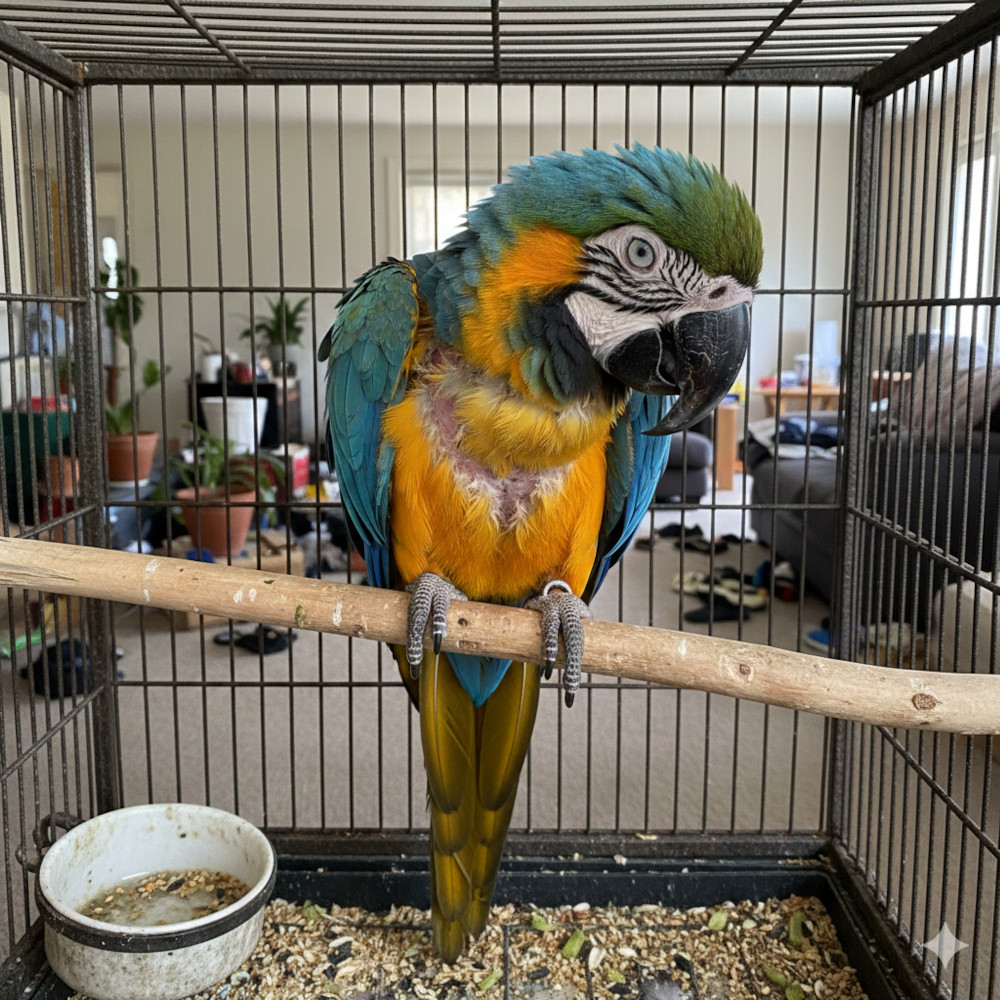
Birds mask symptoms as a natural survival behaviour. Two sentences. In the wild, sick birds attract predators, so they learn to hide weakness until the illness becomes advanced.
Pet birds show illness only when their condition is serious. Recognising small changes early allows fast treatment and better outcomes.
General Early Warning Signs of Illness
Any of the following may indicate that a bird is unwell:
- Sitting fluffed up
- Reduced activity
- Less vocal or unusually quiet
- Tail-bobbing when breathing
- Sleeping during the day
- Changes in droppings
- Wet or dirty feathers around the vent
- Sitting low on the perch
- Poor balance
- Weak grip
- Staying at the bottom of the cage
- Loss of appetite
Birds rarely show all symptoms at once. Even a single change may indicate illness, especially in hot South African summers.
Breathing Problems: A Serious Red Flag
Respiratory illnesses progress quickly in birds.
Signs include:
- Tail-bobbing
- Open-mouth breathing
- Clicking or wheezing sounds
- Rapid breathing
- Nasal discharge
- Sneezing
- Head shaking
Birds struggling to breathe need immediate veterinary care. Heat and poor ventilation during loadshedding worsen respiratory symptoms.
Digestive Illness Signs
Digestive issues are common in birds fed seed-only diets or exposed to dirty water.
Signs include:
- Diarrhea
- Vomiting or regurgitation
- Undigested food in droppings
- Weight loss
- Dirty feathers around the vent
Spoiled fruits and vegetables, common during power cuts, can cause bacterial infections. Clean water and balanced nutrition reduce risk.
Dropping Changes to Watch For
Droppings provide fast clues about a bird’s health.
Normal droppings include:
- Green or brown solid part
- White urates
- Clear urine
Warning signs:
- All-liquid droppings
- Strong odour
- Red tint (internal bleeding or food dye)
- Black, tar-like stools
- Undigested seeds
- Yellow or bright green droppings
Dropping changes often appear before other symptoms. Sudden changes should be checked by a vet.
Feather and Skin Problems
Feathers show overall health status.
Signs of illness include:
- Dull feathers
- Brittle or broken feathers
- Bald patches
- Excessive dander
- Red or irritated skin
- Feather plucking
Feather plucking may be caused by stress, nutritional imbalance, or disease. Diet improvements help many birds regain healthy plumage.
Behavioural Changes
Behaviour changes often indicate stress or hidden illness.
Watch for:
- Aggression in normally calm birds
- Hiding
- Reduced vocalisation
- Sudden clinginess
- Fearfulness
- Repetitive behaviour
Birds affected by heat, boredom, or poor diet often show behavioural symptoms before physical ones. Monitoring routine behaviour helps detect early problems.
Appetite and Weight Loss
Loss of appetite is a critical warning sign.
Signs include:
- Eating less than usual
- Dropping food
- Only eating favourite seeds
- Weight loss
- Prominent keel bone (breastbone)
Birds lose weight quickly because they have fast metabolisms. Regular weighing helps detect problems early.
Mobility and Balance Problems
Balance issues indicate neurological or muscular disease.
Warning signs:
- Falling from perches
- Unsteady walking
- Head tilt
- Weak grip
- Tremors
Birds with these symptoms need immediate veterinary care. Heat stress can worsen muscle weakness.
Common Bird Illnesses in South Africa
1. Psittacosis (Chlamydia)
Highly contagious.
Symptoms include:
- Nasal discharge
- Lethargy
- Breathing difficulty
2. Nutritional deficiencies
Often seen in seed-fed birds:
- Weakness
- Poor feathers
- Beak overgrowth
3. Aspergillosis
Fungal respiratory disease common in:
- Damp aviaries
- Poor ventilation
- SA coastal regions
4. Fatty liver disease
Caused by high-seed diets.
Signs include:
- Obesity
- Breathing difficulty
- Feather problems
5. Parasites
External and internal parasites cause:
- Itching
- Weight loss
- Dirty feathers
6. Heat stress
SA summers cause:
- Panting
- Wing drooping
- Weakness
Many illnesses worsen during heatwaves or loadshedding. Proper ventilation and hydration are essential.
Loadshedding and Illness Detection
Power cuts affect bird health indirectly.
Risks include:
- Overheated rooms
- Spoiled food
- Dirty water
- Reduced ventilation
- Stress behaviour
Birds often show subtle signs such as panting or restlessness during outages. Fans, shade, and fresh water help prevent heat-related illness.
When to Seek Immediate Veterinary Care
Seek urgent help if your bird shows:
- Open-mouth breathing
- Continuous vomiting
- Bleeding
- Seizures
- Collapse
- Sudden inability to perch
- Severe lethargy
- Green diarrhea
- Significant weight loss
Birds decline very quickly once severely ill. Early treatment improves survival.
How to Monitor Bird Health at Home
Daily checks
- Appetite
- Droppings
- Activity level
- Breathing
- Vocalisation
Weekly checks
- Weight (using a kitchen scale)
- Feather quality
- Perch grip strength
Simple routines help identify illness early.
Preventing Illness in South African Birds
1. Balanced diet
Use pellets, vegetables, and safe fruits.
2. Clean water
Replace water daily, especially in summer.
3. Cage hygiene
Clean perches, bowls, and trays regularly.
4. Safe housing
Avoid drafts, fumes, and toxic plants.
5. Heat protection
Provide ventilation and shade in hot provinces.
6. Avoid toxins
Keep birds away from:
- Non-stick cookware fumes
- Cigarette smoke
- Aerosols
- Essential oils
Birds are extremely sensitive to fumes. Even mild exposure can cause respiratory collapse.
Conclusion
Birds hide illness, so owners must watch for subtle changes in behaviour, droppings, breathing, and appetite. South Africa’s climate, heat, loadshedding, and common nutritional imbalances increase illness risk.
Early detection and prompt veterinary care protect long-term health.
If symptoms appear, consult a qualified avian veterinarian in South Africa.