
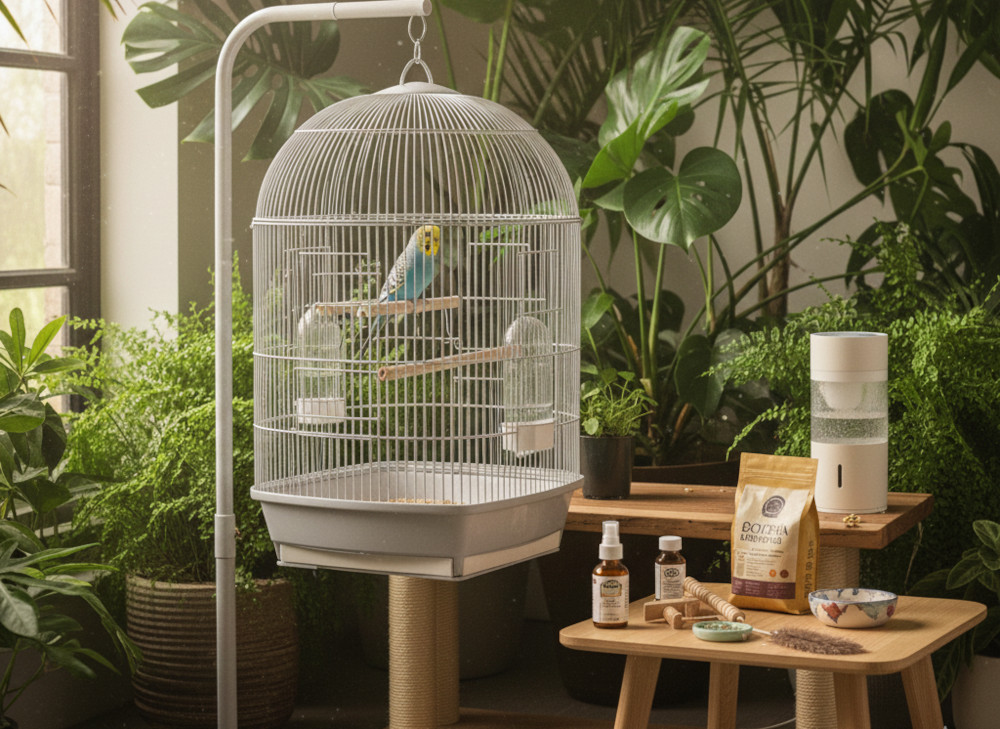
Introduction to Bird Care Essentials
Bird owners in South Africa need practical guidance on bird diet, bird housing requirements, and bird enrichment practices. Birds are sensitive to environmental changes, and small mistakes in diet or cage design can lead to major health problems.
This hub article gives a high-level overview of bird care essentials.
Emergency and urgent care
Digestive and illness symptoms
Long-term health and wellbeing
Prevention and responsible ownership
- BIRD CARE ESSENTIALS
- FEATHER PLUCKING GUIDE
- SA BIRD ILLNESS SIGNS
- SA BIRD CAGE SAFETY GUIDE
- BIRD HOUSEHOLD DANGERS
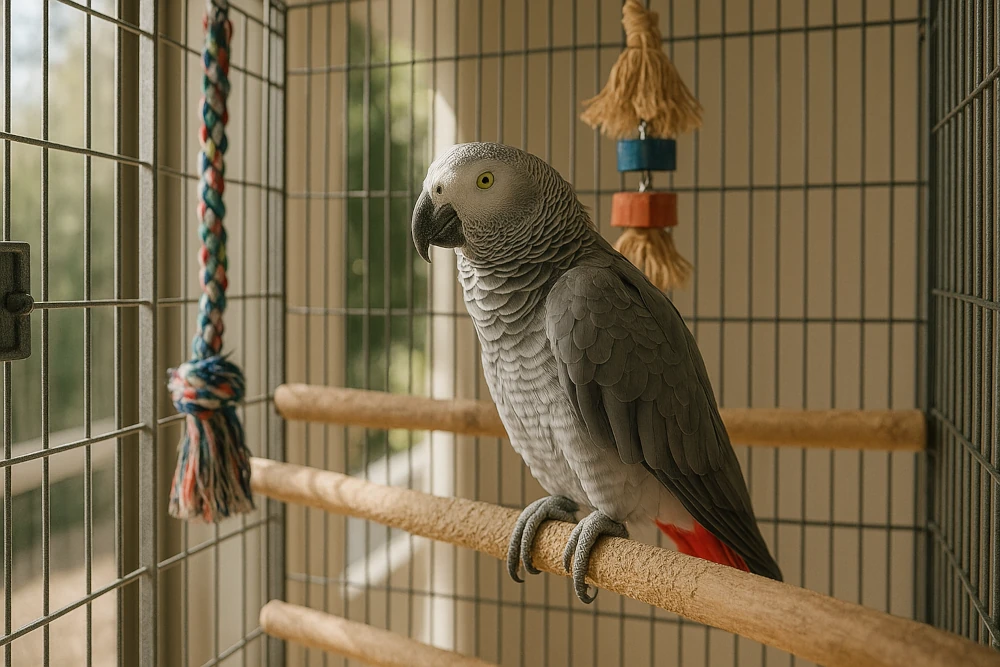
Daily Bird Care Overview
Daily bird care focuses on clean water, balanced diet, safe housing, and regular interaction.
Birds need mental stimulation and healthy light cycles. South Africa’s climate allows access to indirect natural light, but direct sunlight must be controlled to prevent heat stress.
Bird Diet Basics
Bird diets must be tailored by species.
Some birds thrive on pellets, while others need a combination of seeds, fruits, and vegetables. Nutrition errors are the leading cause of preventable bird conditions in domestic settings.
Core Diet Elements
- Fresh water daily
- Pellets for balanced nutrients
- Limited seeds because of fat content
- Safe fruits and vegetables
- Avoiding toxic foods such as avocado or chocolate
Housing Basics
Bird housing must allow movement, wing stretching, and access to enrichment.
Cage placement affects stress levels. Drafts, smoke, direct sun, and kitchen fumes increase risk. Cages should be placed in quiet but social areas.
Housing Principles
- Minimum cage size based on wingspan
- Horizontal bars for climbing
- Perches of mixed diameter to support foot health
- A safe substrate at the bottom of the cage
- Regular cleaning schedules
Enrichment Basics
Boredom leads to feather plucking, screaming, and aggressive behaviour. Enrichment should mimic natural behaviours such as foraging, shredding, exploring, and vocalising.
Key Enrichment Types
- Foraging toys with hidden food
- Shredding toys for beak control
- Perches, ladders, and natural branches
- Rotating toys to prevent boredom
Common Bird Health Basics
Birds hide illness well. Subtle changes should be monitored. Early action prevents complications.
Signs include:
- Fluffed feathers for long periods
- Reduced appetite
- Changes in droppings
- Weakness or puffed breathing
- Sitting low on the perch
Regular vet visits are recommended for nail trims, wing checks, and general exams.
This guide forms part of our complete South African Pet Health Guide, covering dogs, cats, birds, and reptiles.
6 thoughts on “BIRD CARE ESSENTIALS”
Comments are closed.