
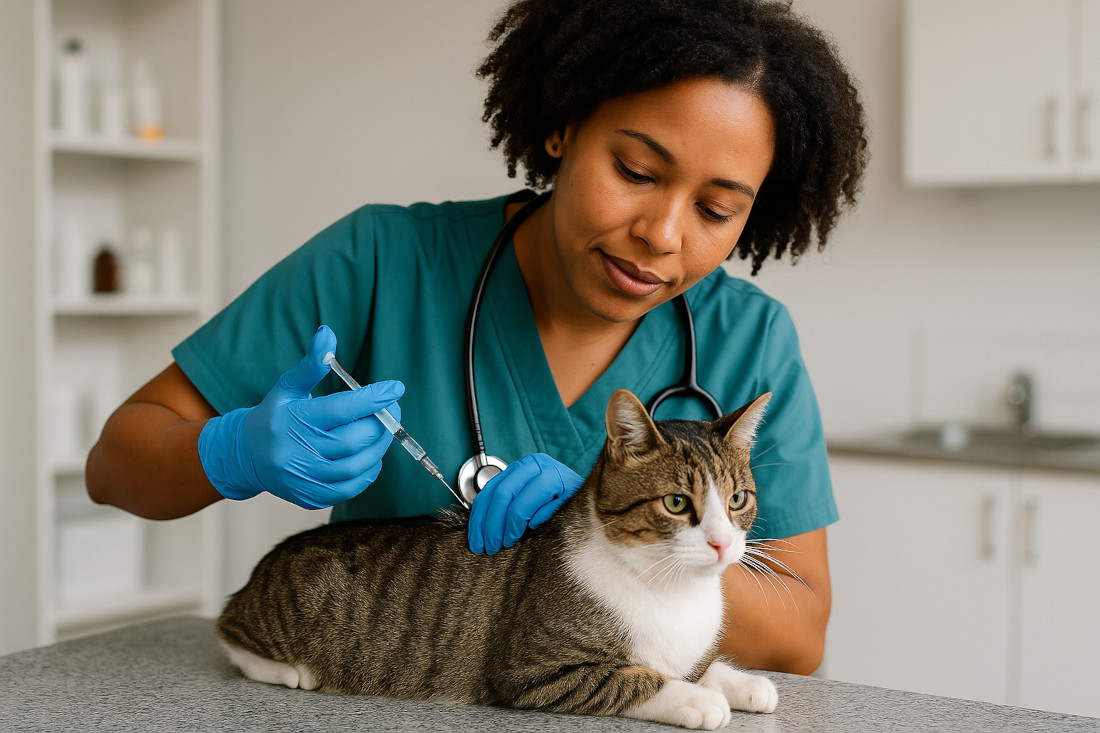
Cat vaccinations in South Africa protect against preventable diseases that spread quickly in both indoor and outdoor environments. South Africa’s climate, rabies zones, feral cat populations, and loadshedding-related hygiene risks make timely vaccination essential.
This guide explains the South African vaccination schedule, indoor and outdoor recommendations, provincial rabies considerations, FeLV risks, and how to choose the right plan for your cat. It is part of the Cat Care Essentials hub and South African Pet Health Guide.
Why South African Cats Need Vaccinations
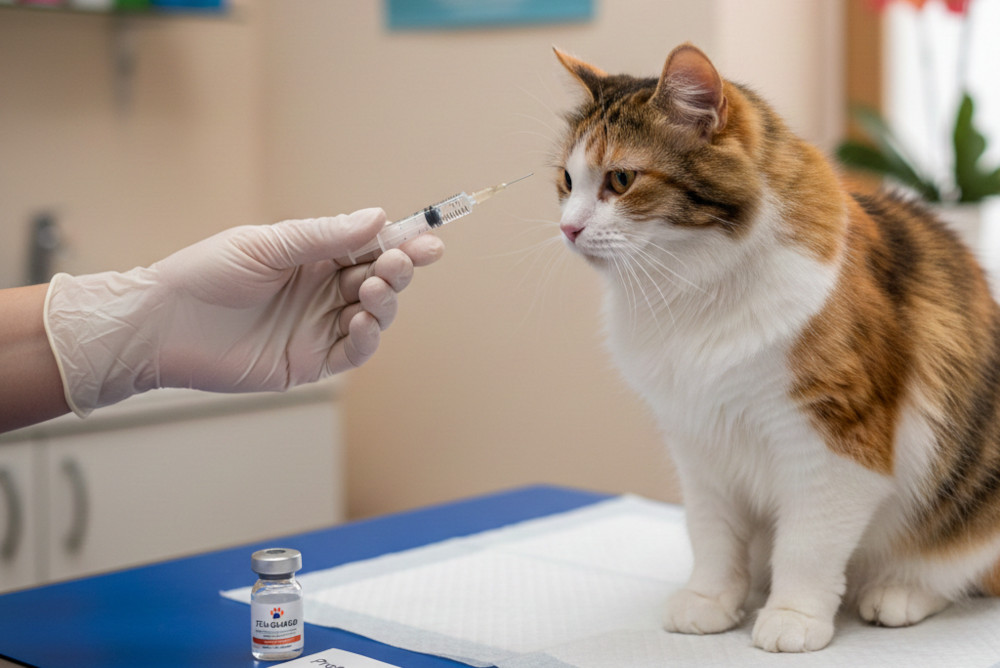
Vaccinations strengthen the immune system against fast-spreading viruses. They reduce the severity of illness and prevent large outbreaks in communities with outdoor cats and feral colonies.
In South Africa, cats face additional risks from rabies circulation, FeLV exposure, parvo-like panleukopenia, and rural vet-access challenges.
Vaccinating on schedule protects cats living in cities, suburbs, farms, and townships.
Core Vaccines for Cats in South Africa
Core vaccines protect against severe, highly contagious diseases that occur throughout the country.
These vaccines are required for both indoor and outdoor cats.
1. Rabies
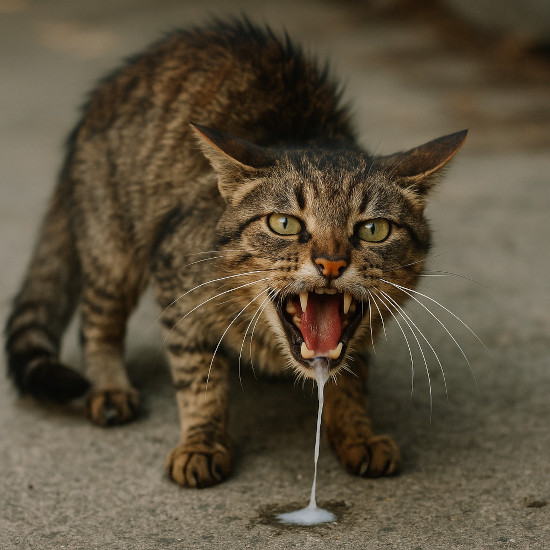
A notifiable disease in South Africa.
Cats must be vaccinated against rabies by law because outbreaks continue to occur in several provinces.
Symptoms of Rabies:
- Sudden behavior changes (aggression or unusual friendliness)
- Excessive drooling or foaming at the mouth
- Difficulty swallowing
- Unprovoked biting or snapping
- Disorientation or confusion
- Staggering, loss of balance, or paralysis
- Seizures
- Sensitivity to light, sound, or touch
- Fever (early stage)
- Lethargy or weakness
- Vocalization changes (howling, growling)
- Progressive paralysis, often starting in the hind legs
2. Feline Panleukopenia (Feline Parvo)
Causes sudden, severe gastrointestinal illness.
The virus survives for months in the environment, including in areas affected by poor sanitation.
3. Feline Herpesvirus (FHV)
A major cause of respiratory disease.
Highly contagious and easily spread between cats in multi-cat households.
4. Feline Calicivirus (FCV)
Another respiratory virus that spreads rapidly.
Often included with FHV and panleukopenia as a single combined vaccine (F3 or FVRCP).
Non-Core but Important South African Vaccines
Feline Leukaemia Virus (FeLV)
FeLV is common among outdoor cats, feral colonies, and cats in areas with high stray populations.
Indoor-only cats have lower risk, but exposure still occurs when new cats are introduced to the household.
FeLV is recommended for:
- Outdoor cats
- Cats that roam between properties
- Cats living near feral colonies
- Cats in multi-cat homes
- Rescue cats and foster cats
FeLV requires a blood test before vaccination.
Rabies Zones in South Africa
Rabies remains active across several provinces.
High-risk rabies areas
- KwaZulu-Natal
- Eastern Cape
- Limpopo
- Mpumalanga
- Border regions near Mozambique and Zimbabwe
Moderate risk
- North West
- Free State
Lower but not risk-free
- Western Cape
- Northern Cape
- Gauteng (urban areas only)
Risk increases in summer and late spring when wildlife and feral cat movement increases.
Even indoor cats in high-risk provinces must receive the standard rabies schedule.
Cat Vaccination Schedule in South Africa
Kitten Schedule
| Kitten Age | Vaccines |
|---|---|
| 6–8 weeks | F3 (panleukopenia + FHV + FCV) |
| 10–12 weeks | F3 booster + optional FeLV start |
| 14–16 weeks | F3 booster + FeLV booster + rabies |
| 6–12 months | Annual booster (F3 + rabies) |
Kittens from shelters may follow adjusted timing but must complete the full series.
Owners should request their vaccination card and continue without delays.
Adult Cat Schedule
| Cat Age | Vaccines |
|---|---|
| Annual | F3 + rabies (most vets follow annual) |
| Every 3 years | Some F3 and rabies vaccines may be valid for three years depending on brand and vet advice |
| As needed | FeLV for outdoor or at-risk cats |
Adult vaccination timing depends on vet preference, cat health, regional risk, and boarding requirements.
Indoor vs Outdoor Cats: Different Risks in South Africa
Indoor cats face lower infectious risk but are not fully protected from exposure.
Human movement, new pets, boarding facilities, and vet visits can introduce viruses.
Indoor-only cats should still receive:
- F3 annually
- Rabies according to law (every 1–3 years)
Outdoor cats require additional protection
Outdoor cats face higher exposure from:
- Feral cat colonies
- Neighbourhood roaming cats
- Wildlife (especially in rural areas)
- Rabies vectors in high-risk provinces
- Unvaccinated cats on nearby properties
Outdoor cats should receive:
- Annual F3
- Annual rabies (best practice in high-risk provinces)
- FeLV (after testing)
Outdoor cats living near feral colonies
These cats face the highest FeLV and FIV exposure levels.
Vaccination reduces severe illness even when complete prevention isn’t possible.
Loadshedding and Disease Exposure Risks
Loadshedding increases infection risk in several ways.
1. Water supply interruptions
Low water pressure leads to:
- Dirty litter trays
- Poor sanitation
- Greater viral survival in shared areas
2. Heat-related dehydration
High heat weakens immune systems during kitten vaccination stages.
3. Delayed vet access
Rural towns often experience:
- Closed clinics
- Unrefrigerated vaccines
- Reduced appointment slots
Vaccines kept outside proper cold-chain conditions may lose strength.
“Can I Vaccinate My Cat at Home?” – Common SA Question
Some cat owners purchase vaccines from agricultural suppliers.
Home vaccination is possible for F3 and FeLV, but rabies must be administered by a veterinarian to be legally valid.
Risks of home vaccination
- Incorrect storage due to loadshedding
- Loss of potency from heat exposure
- Incorrect injection technique
- Missed boosters
- No official proof of rabies vaccination
Home vaccination is not recommended unless owners have vet guidance.
Signs Your Cat May Need an Urgent Vaccination
Vaccinate or seek veterinary advice if:
- A rabies case is confirmed nearby
- Your cat has contact with an unvaccinated animal
- You plan to relocate across provinces
- Boarding or kenneling requires updated vaccinations
- A new cat joins your household
- Your outdoor cat has a bite wound from a fight
Prompt vaccination reduces disease severity.
Budget-Friendly Vaccination Tips for South Africans
Ways to reduce cost
- Use SPCA and animal welfare outreach clinics
- Ask your vet about multi-year vaccines
- Combine annual check-up + vaccines in one visit
- Keep vaccination cards safely stored
- Consider pet insurance for multi-cat homes
Skipping vaccinations often results in far higher vet bills, especially for panleukopenia and FeLV.
Rural Vet-Access Challenges
Rural towns may have:
- Limited vet clinics
- Irregular vaccine availability
- Long travel distances for boosters
Owners should:
- Book vaccinations early in the season
- Check vaccine arrival dates
- Use cooler boxes when transporting cats long distances
- Avoid vaccination during extreme heat
Feral Interactions and Outdoor Cat Risks
Outdoor cats frequently cross paths with feral or semi-feral colonies.
These interactions increase exposure to FeLV, FIV, herpesvirus, and calicivirus.
Cats that roam in:
- Townships
- Informal settlements
- Farms
- Coastal villages
- Industrial areas
face higher disease transmission due to poor sanitation and large colony sizes.
Vaccination reduces disease severity but does not eliminate risk entirely.
When to Contact a Vet
Seek veterinary advice if your cat shows:
- Sudden fever
- Sneezing or nasal discharge
- Eye swelling
- Loss of appetite
- Extreme lethargy
- Bite wounds
- Rapid weight loss
These signs often relate to vaccine-preventable illnesses.
Conclusion
Vaccinations protect South African cats from rabies, panleukopenia, respiratory viruses, and FeLV.
Outdoor cats require additional protection due to feral colony exposure and roaming risks. Indoor cats still need core vaccinations because viruses and rabies exposure occur indirectly.
Planning around loadshedding, heat, and rural vet access ensures cats receive safe and effective vaccine coverage.
1 thought on “SA CAT VACCINE PLAN”
Comments are closed.