
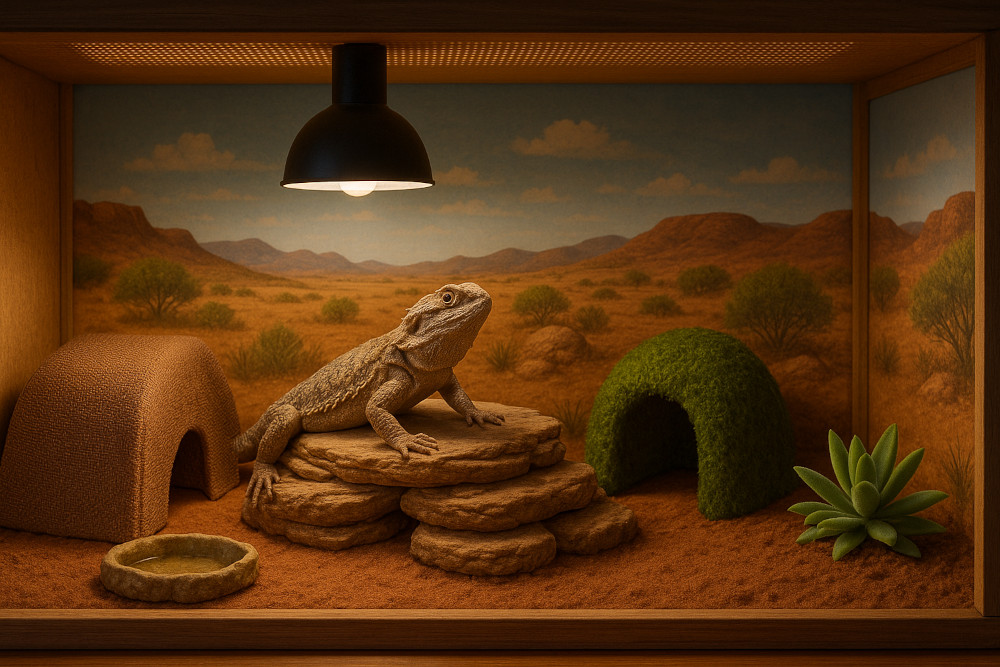
Reptiles depend on stable heat, light, and humidity, making loadshedding one of the biggest risks for reptile keepers in South Africa. Sudden power cuts cause dangerous temperature drops, disrupt UVB cycles, spoil food, reduce ventilation, and increase stress.
This guide explains how to keep snakes, lizards, geckos, chameleons, and tortoises safe during loadshedding, including emergency backups, heat retention methods, and species-specific strategies. It is part of the Reptile Care Essentials article hub and the South African Pet Health Guide.
Why Loadshedding Is Dangerous for Reptiles
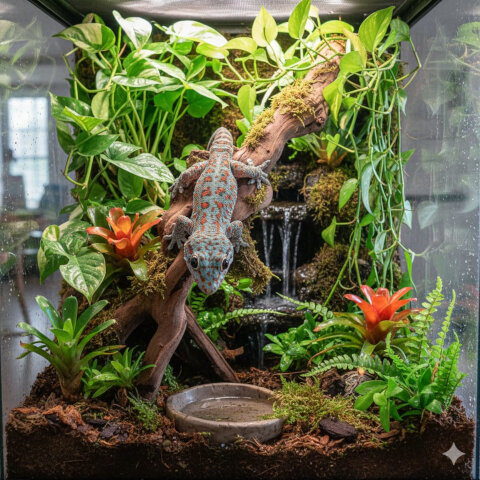
Loadshedding and load reduction are dangerous for reptiles because they rely on external heat to regulate their internal temperature.
Without heating:
- Digestion stops
- Immune function weakens
- Shedding problems increase
- Appetite drops
- Respiratory infections develop
Loadshedding affects reptiles differently across provinces due to temperature differences, humidity, and seasonal extremes.
The Main Risks Loadshedding Creates
1. Night-time temperature crashes
Common during winter or early-morning outages.
2. Interruptions in UVB lighting
Reduces calcium absorption and disrupts circadian rhythms.
3. Heat retention failure
Enclosures cool faster in dry inland provinces.
4. Humidity loss
Particularly harmful for shedding species.
5. Poor ventilation
Respiratory risks increase, especially in coastal humidity.
6. Travel dangers during outages
Transporting reptiles to vets during outages increases exposure to cold.
These risks compound for juveniles, sick reptiles, and species requiring high heat.
Species Most Affected During Loadshedding
High sensitivity
- Bearded dragons
- Ball pythons
- Corn snakes
- Chameleons
- Iguanas
Medium sensitivity
- Leopard geckos
- Monitors
- Day geckos
Lower sensitivity
- Tortoises (outdoor species)
- Some hardy snakes
Even hardy species deteriorate with long or repeated outages.
Essential Backup Equipment for South African Reptile Keepers
1. Inverter or UPS system
Used to power:
- Ceramic heat emitters
- Heat mats
- UVB tubes
- Thermostats
A small inverter can maintain heat for several hours.
2. Gas or paraffin space heaters (used cautiously)
Only for heating rooms, not inside enclosures.
Ensure:
- Strong ventilation
- No direct flame exposure
- Reptiles are not placed close to heaters
Smoke and fumes must be avoided.
3. Insulated enclosure covers
Helps trap heat during outages.
Options:
- Thermal blankets
- Reflective insulation material
- Thick towels
4. Battery-powered LED lights
Useful for:
- Checking temperatures
- Observing reptiles
- Maintaining safe room lighting
Reptiles need predictable day–night cycles.
5. Portable power banks for misting systems
Important for chameleons and tropical species requiring hydration.
6. Hot water bottles (wrapped safely)
Short-term emergency heat source.
Never place directly on reptiles; use only on one side of enclosure to maintain a gradient.
How to Prepare a Reptile Enclosure for Loadshedding
1. Increase ambient room temperature
Heat the room before the outage begins.
2. Reduce heat loss
Cover the enclosure with:
- Blankets
- Towels
- Insulation panels
Leave ventilation gaps to prevent air stagnation.
3. Warm hides
Add:
- Heat-retaining stones (non-electric)
- Fabric hides
- Moss hides for humidity control
4. Move enclosure away from cold windows
Especially in winter months and rainy weather.
5. Keep temperatures higher than usual before scheduled outages
Raises the buffer period before temperatures fall to dangerous levels.
Managing Heat for Different Reptile Species
Snakes
- Ball pythons and corn snakes require stable belly heat
- Insulate hides heavily
- Avoid feeding right before outages (regurgitation risk)
Bearded dragons
- Very sensitive to heat lossUse increased basking temperatures before outages
- Provide insulated basking rock or ceramic tile
Geckos (Leopard & Crested)
- Leopard geckos need belly heat stability
- Crested geckos tolerate lower temperatures but need humidity maintenance
Chameleons
- Require careful humidity and hydrationMisting systems need backup power
- Provide warm resting branches
Tortoises
- More resilient
- Still need secure indoor heating in winter
- Avoid cold, damp surfaces
Emergency Steps During an Unplanned Outage
1. Trap heat immediately
Cover enclosure while leaving small ventilation areas.
2. Add safe heat sources
- Wrapped hot water bottle
- Warm (not hot) rice sock
- Chemical hand warmers (wrapped)
Always keep gradients.
3. Move reptile to a small insulated space
Temporary relocation options:
- Travel tub with ventilation
- Insulated cooler with heat pack
- Plastic tub partially wrapped in blankets
Ideal for small snakes and geckos.
4. Monitor temperatures every 20–30 minutes
Use:
- Digital thermometers
- Infrared temperature guns
Temperature awareness prevents underheating or overheating.
Preventing Digestion Problems During Loadshedding
Never feed reptiles:
- 12–24 hours before long outages
- When temperatures are unstable
- During cold weather without a backup system
Snakes and lizards require consistent heat to digest safely.
Humidity Management During Outages
Low humidity provinces (Gauteng, Free State, Northern Cape)
- Use humid hides
- Add damp moss
- Mist lightly before outage
High humidity provinces (KZN, Eastern Cape, coastal WC)
- Focus on ventilation
- Prevent stagnant air
- Avoid over-misting during outages
Humidity swings cause shedding problems and respiratory illness.
Safety Precautions for Backup Heating
Never use:
- Candles inside or near enclosures
- Paraffin lamps close to reptiles
- Gas heaters inside enclosures
- Open flame devices
- Heating pads not designed for reptiles
Always ensure:
- Strong ventilation
- No risk of fire
- Thermostats connected when possible
Backup heating is essential but must be safe.
When Loadshedding Requires Veterinary Attention
Seek help if your reptile shows:
- Sudden lethargy after an outage
- Open-mouth breathing
- Regurgitation
- Shaking or tremors
- Unusual coldness
- Loss of movement
- Severe dehydration
Temperature shock can cause organ damage.
Preventing Long-Term Stress From Loadshedding
1. Keep a predictable routine
Reptiles experience stress from disrupted cycles.
2. Provide hiding spaces
Reduce stress during dark periods.
3. Limit handling
Avoid handling during cold periods or recovery.
4. Stabilise temperatures as soon as power returns
Gradually raise heat to normal levels.
Creating a Loadshedding Emergency Kit
Include:
- Spare heat mats
- Backup thermometer
- Insulating blankets
- Hand warmers
- Water for misting
- Power bank
- LED torch
- Emergency feeding schedule guide
A kit reduces panic during unexpected outages.
Conclusion
Loadshedding poses serious risks for reptiles in South Africa due to heat loss, humidity instability, and UVB interruptions.
With proper planning, safe backup systems, and species-appropriate strategies, reptile owners can protect their animals during power cuts and maintain stable habitat conditions.