

Snakebites are a major seasonal emergency for South African dogs. Outdoor dogs, farm dogs, and dogs living near bush, veld, or warm coastal regions are at the highest risk.
This guide is part of our Dog Care Essentials series and the broader South African Pet Health Guide on pet emergencies.
It explains the major venomous snakes in South Africa, symptoms of snakebite, emergency actions, treatment options, and climate-related risks affecting dogs across provinces.
Why Snakebites Are Common in South Africa
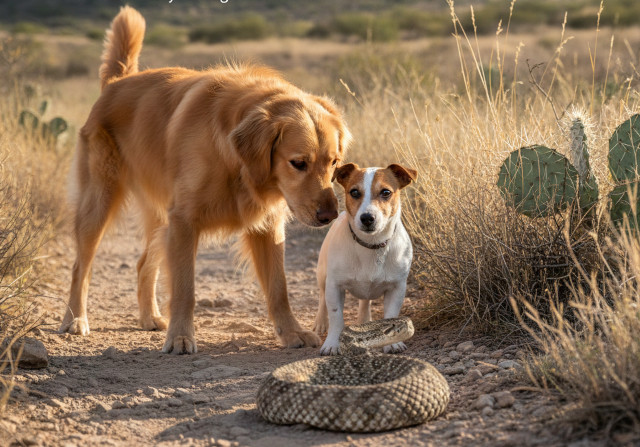
South Africa has a large variety of venomous snakes that become more active during warm months. Dogs naturally chase moving objects, increasing their chance of being bitten. Bushveld areas, farmlands, gardens with dense shrubs, and regions with high rodent activity face higher snake populations.
Warm seasons, rainy spells, and loadshedding-related garden overgrowth all contribute to increased snake movement. Dogs living on plots, smallholdings, nature-edge suburbs, and rural towns are especially vulnerable.
Major Venomous Snakes That Bite Dogs in South Africa
South Africa’s venomous snakes fall into two broad categories:
- Cytotoxic venom – destroys tissue
- Neurotoxic venom – affects nerves and breathing
Some species contain mixed venom.
1. Puff Adder (Cytotoxic)
One of the most common causes of dog snakebites in South Africa.
- Found across all provinces
- Slow-moving and easily stepped on
- Causes severe swelling and tissue damage
2. Mozambique Spitting Cobra (Cytotoxic)
Common in Limpopo, Mpumalanga, Gauteng outskirts, North West, and KZN.
- Causes painful swelling
- Can spit venom into eyes
- Often bites dogs multiple times
3. Cape Cobra (Neurotoxic)
Found in Western Cape, Northern Cape, and some inland areas.
- Causes rapid paralysis
- Quick progression to breathing failure
4. Black Mamba (Neurotoxic)
Found in KZN, Limpopo, Mpumalanga, and parts of Eastern Cape.
- Extremely dangerous
- Causes collapse, paralysis, and respiratory failure
5. Boomslang (Haemotoxic)
Less common but highly venomous.
- Causes severe internal bleeding
- Symptoms may appear late
6. Berg Adder (Cytotoxic + Neurotoxic)
Occurs in high-altitude and rocky regions.
- Causes swelling and neurological signs
- Antivenom is ineffective for this species
Dogs bitten by any of these snakes require immediate veterinary attention.
Where Snakebites Occur Across South Africa
High-risk regions
- Limpopo Bushveld
- Mpumalanga Lowveld
- KZN coast and inland
- Free State farms
- North West rural areas
- Eastern Cape bush and river belts
- Western Cape Winelands and mountain foothills
Moderate-risk regions
- Gauteng peri-urban suburbs
- Western Cape coastal towns
- Northern Cape farmlands
Snakes emerge most frequently in early summer and warm, wet periods.
Seasonal Snake Activity in South Africa
Spring (Aug–Oct)
Snakes emerge after winter. High dog-bite period.
Summer (Nov–Feb)
Peak activity. Dogs encounter snakes during walks, garden play, and nighttime outings.
Autumn (Mar–Apr)
Still active in warm provinces like Limpopo and KZN.
Winter (May–July)
Activity drops, but snakes may still appear in warm regions or during heat spikes.
Symptoms of Snakebite in Dogs
Symptoms depend on the type of venom.
Cytotoxic bite symptoms (Puff Adder, Spitting Cobra)
- Rapid swelling around bite
- Severe pain
- Bleeding or oozing
- Red or black tissue
- Lethargy
- Shock in severe cases
Neurotoxic bite symptoms (Cape Cobra, Mamba)
- Sudden weakness
- Drooling
- Difficulty swallowing
- Paralysis starting in hind legs
- Collapse
- Slow or stopped breathing
Haemotoxic bite symptoms (Boomslang)
- Bleeding gums
- Nosebleeds
- Blood in stool or urine
- Bruising
- Shock
Some symptoms appear within minutes, while others may take hours. Any snakebite must be treated as an emergency.
How to Identify a Snakebite on a Dog
Dogs are often bitten on:
- Face
- Nose
- Legs
- Chest
Look for:
- Two puncture marks (not always visible)
- Rapid swelling
- Painful yelping or sudden limping
- Collapse or confusion
- Vomiting
- Changes in breathing
If a snake is seen, note the colour and size but do not approach.
What to Do If Your Dog Is Bitten by a Snake
1. Stay calm and move the dog away from the snake
Do not try to kill or handle the snake.
2. Keep your dog as still as possible
Movement spreads venom faster.
3. Do NOT apply a tourniquet
This causes tissue damage and does not stop venom movement.
4. Do NOT suck out venom or apply ice
Ineffective and dangerous.
5. Carry the dog to the car if possible
Reduces heart rate and venom spread.
6. Go to the nearest vet immediately
Call ahead so the clinic can prepare antivenom or oxygen support.
7. If venom is in the eyes (spitting cobra)
Rinse with clean water for 10–15 minutes while avoiding injury.
8. Keep the dog warm and quiet in the car
Shock is common.
Snakebite cannot be treated at home. Immediate veterinary help improves survival drastically.
Veterinary Treatment for Snakebites in South Africa
Treatment depends on the venom type.
For cytotoxic bites
- Pain management
- Fluids
- Anti-inflammatory medication
- Wound management
- Antivenom when appropriate
Swelling and tissue damage may require hospitalisation.
For neurotoxic bites
- Antivenom
- Oxygen therapy
- Breathing support
- Fluids
- Monitoring for paralysis progression
Neurotoxic bites progress quickly and are most dangerous.
For haemotoxic bites
- Specific antivenom for boomslang
- Blood transfusions if needed
- Monitoring for internal bleeding
Hospital stay
Dogs may stay from 1–5 days depending on severity.
Cost of Snakebite Treatment in South Africa
Costs vary widely depending on antivenom use, hospitalisation length, and severity.
Typical range
- Mild cytotoxic bite: R1,500–R4,000
- Cytotoxic bite requiring antivenom: R3,500–R10,000+
- Neurotoxic bite (cobra, mamba): R8,000–R25,000+
- Boomslang bite: R10,000–R20,000+
Antivenom is expensive and often the biggest cost factor.
How to Reduce Snakebite Risk
1. Keep grass short
Snakes hide in long grass around fences and buildings.
2. Remove clutter and debris
Wood piles and scrap attract rodents, which attract snakes.
3. Use outdoor lighting during loadshedding
Portable lights help identify snake movement at night.
4. Supervise dogs at dawn and dusk
Snakes often move during cooler times.
5. Avoid letting dogs roam unattended
Dogs that patrol large areas are bitten more often.
6. Install mesh barriers or snake-proof fencing
Useful for high-risk properties.
7. Be cautious after rain or heatwaves
These conditions increase snake activity.
Common Myths About Snakebites in South Africa
Myth 1: Giving milk neutralises venom
False. Milk has no effect on venom.
Myth 2: Tourniquets slow venom spread
They cause tissue death and worsen outcomes.
Myth 3: A snake must be killed for ID
Dangerous and unnecessary. Vets treat based on symptoms.
Myth 4: All venomous snakes cause swelling
Neurotoxic bites may show little swelling before paralysis sets in.
When to Seek Veterinary Help Immediately
Go to a vet immediately if your dog:
- Was seen interacting with a snake
- Shows sudden collapse
- Has rapid swelling
- Has difficulty breathing
- Has bleeding or bruising
- Shows paralysis
- Has vomiting or extreme lethargy
Delays reduce survival chances.
Conclusion
Snakebites are dangerous and unpredictable. South African dogs face high exposure due to climate, wildlife movement, and outdoor lifestyles.
Rapid identification, reduced movement, and immediate veterinary care improve survival. Preventive steps and awareness help protect dogs in high-risk regions.