
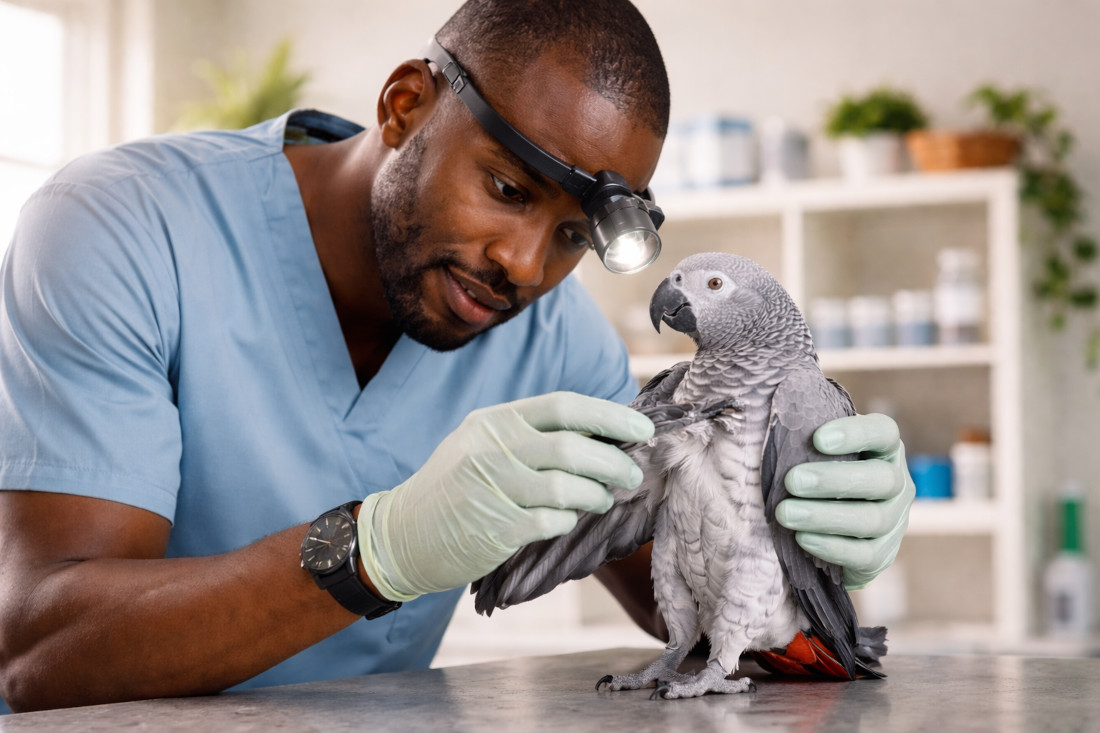
Feather plucking is one of the most common and frustrating problems for South African bird owners. Birds pull, chew, or strip their feathers for medical or behavioural reasons, and the condition can worsen quickly without proper treatment.
This guide explains the major causes, South African climate factors, loadshedding stress triggers, and practical steps owners can take to help their birds recover. It is part of the Bird Care Essentials article hub and the South African Pet Health Guide.
Why Feather Plucking Happens
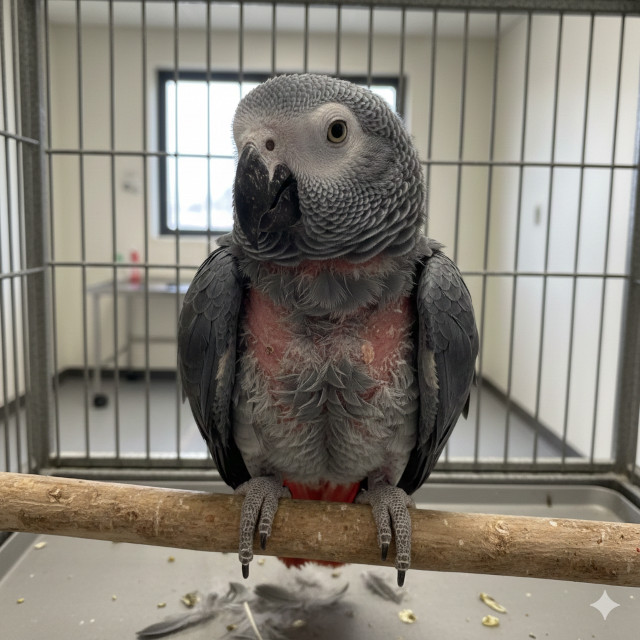
Feather plucking is a symptom rather than a disease. Birds pluck when something disrupts their physical or psychological balance.
In South Africa, high humidity, heat, dust, dietary imbalance, and stress from loadshedding contribute to the pattern. Birds hide early discomfort, so plucking is often the first visible sign that something is wrong.
Plucking can start suddenly or gradually. Some birds target the chest, wings, or legs, while others chew tail feathers.
Early intervention helps prevent permanent feather damage.
Medical Causes of Feather Plucking in South African Birds
Medical causes must always be ruled out first. Behavioural treatment will not help if an underlying illness is present.
1. Nutritional deficiencies
Seed-only diets are a major cause of plucking in SA.
Low vitamin A, calcium, and essential amino acids weaken feathers and irritate the skin.
Signs include:
- Dull feathers
- Stress bars
- Slow moulting
- Flaky skin
Pellets plus vegetables reduce the risk.
2. Skin infections
Bacterial, fungal, or yeast infections cause itching and discomfort.
Common triggers in SA:
- High humidity in KZN and Eastern Cape
- Mould spores in warm coastal climates
- Dirty environments or contaminated baths
Vets diagnose infections through skin scrapings and cultures.
3. Parasites
External parasites like mites and lice cause intense irritation.
Symptoms
- Red skin
- Constant scratching
- Feather thinning
Household mites may enter homes during warm months, especially in rural or coastal areas.
4. Allergies
Birds may react to:
- Aerosols
- Perfumes
- Scented candles
- Cleaning products
- Pine disinfectants
Loadshedding increases irritation because owners often use candles or gas heaters that affect air quality.
5. Hormonal changes
Birds in breeding condition may pluck around the chest or legs.
Triggers include:
- Longer daylight hours
- Nesting boxes
- High-calorie diets
- Warm weather
African Greys, Lovebirds, and Cockatiels often show hormonal plucking.
6. Pain
Birds pluck near painful areas.
Examples:
- Arthritis → plucking around legs
- Organ disease → plucking over chest
- Wing injuries → plucking flight feathers
Pain-based plucking must be diagnosed by a vet.
7. Respiratory disease
Chronic respiratory irritation from dust, mould, or smoke may cause plucking around the chest and wings.
8. Genetic and species predisposition
Some species pluck more often:
- African Greys
- Cockatoos
- Lovebirds
- Conures
In South Africa, African Greys are the most commonly affected.
Behavioural Causes of Feather Plucking
After medical issues are ruled out, behavioural triggers must be addressed.
1. Boredom
Birds need enrichment and mental stimulation. Lack of toys, small cages, or limited flight time often leads to plucking.
2. Stress
Stress is a major behavioural trigger in SA.
Common sources include:
- Loadshedding darkness
- Loud neighbourhood noise
- Construction
- Household movement
- Predator birds outside windows
- New pets
- Moving homes
Birds have sensitive nervous systems and react to subtle changes.
3. Loneliness
Social species need interaction and attention. African Greys and Cockatoos pluck more when understimulated.
4. Lack of sleep
Birds need 10–12 hours of uninterrupted darkness. Loadshedding generators, household lights, or irregular schedules disrupt sleep.
5. Environmental frustration
Examples include:
- Cages placed in high-traffic areas
- Lack of perches
- Inconsistent routines
- Poor air quality (smoke, cleaning fumes)
Birds thrive in calm, predictable environments.
How South African Climate Affects Bird Feather Plucking
Hot provinces (Limpopo, Northern Cape, Mpumalanga)
- Heat causes skin dryness
- Stress increases grooming
- Indoor fans used during loadshedding stir up dust
Coastal humidity (KZN, Eastern Cape)
- Fungal overgrowth irritates skin
- Mould increases respiratory irritation
Highveld winters (Gauteng, Free State)
- Dry air causes itchy skin
- Heaters create inconsistent temperatures
Climate management reduces irritation and stress.
How Loadshedding Increases Feather Plucking Risk
Loadshedding contributes to plucking in several ways:
1. Stress and sudden darkness
Birds panic when lights suddenly go off.
2. Heat buildup
Homes become hot and stuffy during summer outages.
3. Poor air quality
Candles, paraffin heaters, and gas stoves release fumes.
4. Inconsistent sleep
Generators, noise, and flashing lights disrupt night rest.
5. Reduced owner interaction
Evening routines often change during outages.
Minimising environmental stress helps prevent plucking.
Early Warning Signs Before Feather Plucking Starts
Owners often miss early signals:
- Increased preening
- Ruffled chest feathers
- Flakes of down in the cage
- More time spent scratching
- Thinning feathers without visible bald spots
Addressing early changes prevents full plucking episodes.
Veterinary Diagnosis of Feather Plucking in SA
A South African avian vet will check for:
- Nutritional issues
- Mites or lice
- Fungal infections
- Bacterial infections
- Hormonal imbalance
- Organ disease
- Allergies
- Environmental triggers
Tests may include:
- Skin scrapings
- Feathers under microscope
- Blood tests
- X-rays
- Culture swabs
A proper diagnosis is essential before treatment.
Treatment Options for Feather Plucking
1. Treat medical causes
- Anti-fungal medication
- Antibiotics
- Parasite treatments
- Hormone regulation
- Pain management
- Dietary correction
2. Improve the diet
Move toward:
- 70–80% pellets
- 20–30% vegetables
- Limited seed
Vitamin A-rich vegetables help feather growth.
3. Reduce stress
- Move cage to a calm area
- Provide consistent routines
- Minimise smoke and fumes
- Use natural lighting patterns
4. Improve enrichment
Rotate toys weekly:
- Foraging toys
- Chew toys
- Shreddable materials
- Perches of different textures
5. Improve humidity
Use a humidifier in dry regions.
6. Provide regular bathing
Mist sprays or shallow baths help reduce skin irritation.
When Feather Plucking Is an Emergency
Seek immediate veterinary help if:
- Skin is bleeding
- Large areas of feathers suddenly disappear
- Bird stops eating
- Lethargy develops
- Plucking spreads rapidly
- Breathing issues appear
Severe plucking can become self-mutilation and requires urgent intervention.
Preventing Feather Plucking in South African Birds
1. Balanced nutrition
Pellet-based diets reduce nutritional causes.
2. Stable sleep schedule
Provide 10–12 hours of darkness daily.
3. Consistent environmental routine
Birds thrive on predictability.
4. Safe air quality
Avoid candles, aerosols, smoke, and pine cleaners.
5. Mental stimulation
Use toys, foraging activities, and supervised out-of-cage time.
6. Climate control
Manage heat, dryness, and humidity.
7. Reduce loadshedding stress
Use battery lights and quiet fans to stabilise the environment.
Conclusion
Feather plucking is a complex behaviour caused by medical, environmental, and psychological factors.
In South Africa, climate, loadshedding, diet, and stress play major roles. Early diagnosis, improved nutrition, stable routines, and proper environmental management help birds recover and prevent long-term feather damage.