
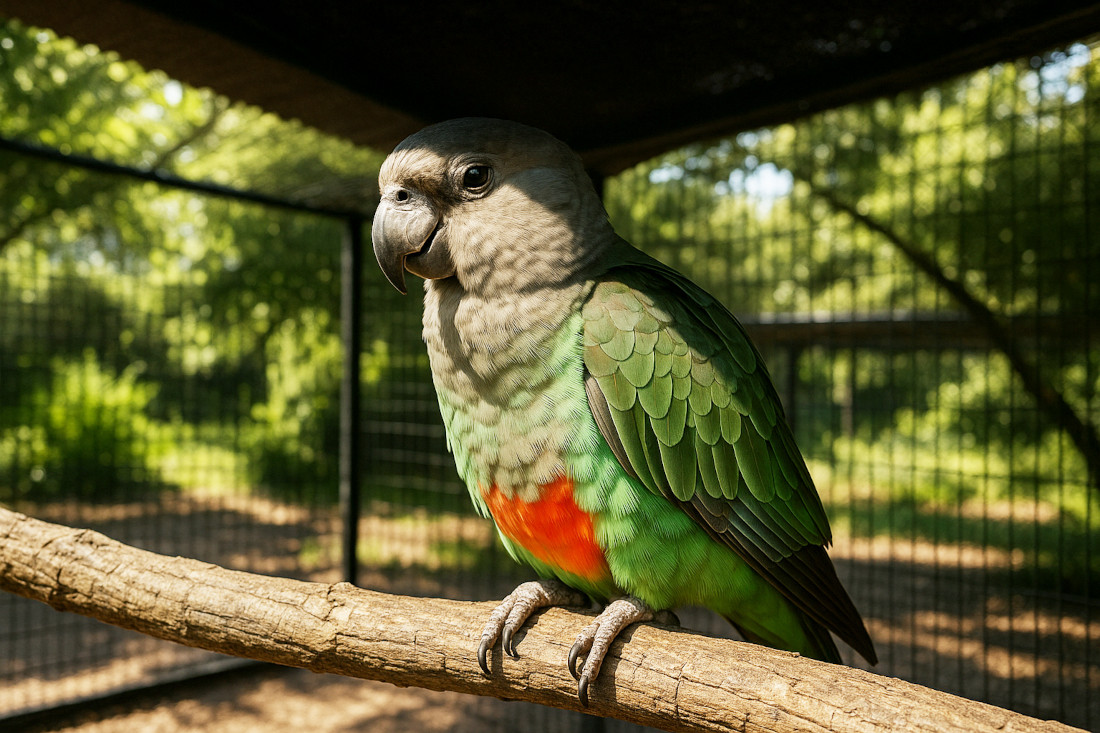
South African weather affects pet birds more than many owners realise. Birds struggle with sudden heatwaves, winter cold fronts, high humidity, and temperature swings caused by loadshedding.
This guide explains how to protect birds from heat, cold, humidity, and environmental stress across South Africa’s diverse climates. It is part of the Bird Care Essentials article hub and the South African Pet Health Guide.
Why Weather Management Matters for Birds
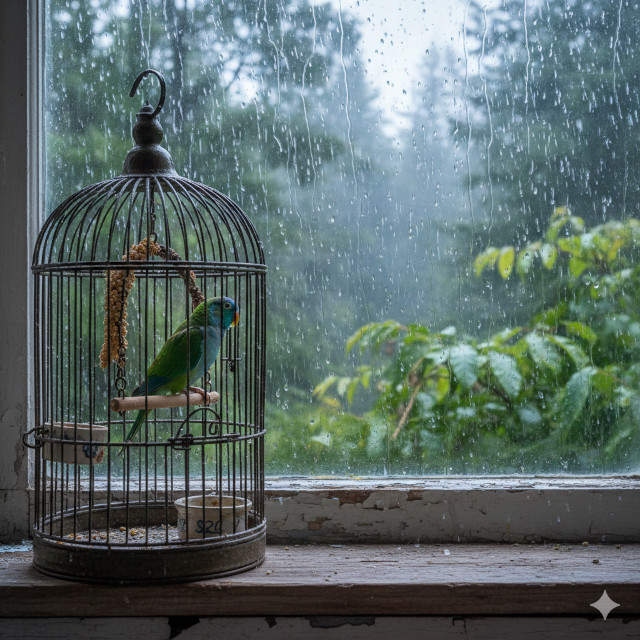
Birds regulate temperature through feathers, airflow, and behaviour.
They cannot sweat and rely on panting, shading, and wing positioning to stay cool. Sudden temperature changes overwhelm these systems and quickly lead to dehydration, stress, or respiratory problems.
South Africa’s extreme heat, winter cold snaps, coastal humidity, and loadshedding-related indoor temperature spikes all create environmental risks for pet birds. Proper care reduces illness, stress, and feather plucking.
How South African Climate Zones Affect Birds
1. Hot, dry provinces (Limpopo, Northern Cape, Mpumalanga Lowveld)
- High temperatures
- Fast dehydration
- Heat stress and panting
- Dust irritation
2. Humid coastal regions (KZN, Eastern Cape, Western Cape coast)
- High mould risk
- Respiratory problems
- Food spoilage
- Skin irritation
3. Highveld regions (Gauteng, Free State, North West)
- Warm summers
- Cold, dry winters
- Increased indoor heating use
4. Western Cape winter rainfall region
- Cold, damp winters
- Increased respiratory infections
Each climate zone affects birds differently, and care should be adapted accordingly.
Heat Stress in South African Birds
Heat stress is one of the most common weather-related issues for SA birds.
Signs of heat stress
- Panting
- Holding wings away from the body
- Sitting low on the perch
- Bright red feet (in some species)
- Weakness or collapse
- Loss of appetite
Birds can deteriorate quickly during heatwaves.
How to Protect Birds During Heatwaves
1. Provide shade and airflow
Place cages in:
- Shaded rooms
- Areas with cross-ventilation
- Cool tiles or breezeways
Avoid direct sun.
2. Offer multiple water bowls
Dehydration develops quickly in hot provinces.
3. Use misting or shallow baths
Light misting cools feathers safely.
4. Avoid high-fat seeds
Pellets and fresh vegetables reduce metabolic heat.
5. Monitor humidity
High humidity in coastal regions increases respiratory stress.
6. Limit outdoor aviary time
Even shaded aviaries can overheat in Limpopo, Mpumalanga, and KZN.
Loadshedding and Heat: Hidden Risks for Birds
Loadshedding worsens heat stress because:
- Fans and air conditioning stop
- Indoor rooms heat up rapidly
- Refrigerated produce spoils
- Water pumps fail
- Noise from generators increases stress
How to protect birds during outages
- Use battery-powered fans
- Cool the room before outages begin
- Keep curtains closed
- Offer extra water bowls
- Avoid feeding fruit or cooked food that spoils in the heat
Birds need stable temperatures even during blackout cycles.
Cold Stress in South African Birds
Cold spells, especially in the Highveld and Western Cape, lead to respiratory problems, lethargy, and increased calorie needs.
Signs of cold stress
- Fluffed feathers
- Sitting still and low
- Cold feet
- Reduced appetite
- Shivering
Cold stress weakens immunity and increases infection risk.
How to Protect Birds During Cold Weather
1. Provide warm sleeping areas
Use:
- Warm blankets around the cage
- Cage covers
- Heated perches (safe low-watt options)
Avoid heated pads that birds can chew.
2. Keep the cage away from drafts
Do not place near open windows or doors.
3. Increase dietary calories slightly
Add warm, bird-safe foods such as:
- Cooked butternut
- Warm mash
- Soft vegetables
4. Provide 10–12 hours of sleep
Cold stress worsens when sleep is disrupted.
5. Use safe indoor heating
Avoid paraffin heaters and gas fumes.
Humidity Problems in South Africa
Humidity affects birds in coastal provinces and during summer rains.
High humidity risks
- Fungal infections
- Skin irritation
- Mouldy seeds
- Wet, sticky feathers
- Respiratory distress
How to reduce humidity problems
- Store food in airtight containers
- Ensure good cage airflow
- Remove wet food after 2 hours
- Use dehumidifiers where possible
- Avoid placing cages in kitchens or bathrooms
Birds in Durban, East London, and Cape Town coastal areas face the highest humidity challenges.
Weather Risks for Outdoor Aviary Birds
Outdoor birds need additional protection from the elements.
Summer risks
- Overheating
- Predator stress
- Insect bites
- Sudden storms
Winter risks
- Freezing temperatures
- Cold drafts
- Dampness
Best practices
- Provide solid roofing for shade
- Insulate one section for winter
- Avoid metal perches (hot in summer, cold in winter)
- Add windbreak panels
- Monitor for ants, flies, and mosquitoes
Aviaries require regular adjustments based on season and province.
Sudden Weather Changes and Storms
South Africa experiences:
- Sudden heat spikes
- Thunderstorms
- Cold fronts
- Dry-to-humid transitions
These changes cause:
- Stress
- Dehydration
- Appetite loss
- Feather plucking
- Respiratory irritation
Birds thrive with stable environments, so preparing for unpredictable weather helps reduce stress.
How Diet Helps Birds Handle Weather Stress
Diet plays a key role in weather resilience.
During heatwaves
- Offer high-moisture vegetables
- Avoid sunflower seed
- Prioritise pellets
During cold spells
- Offer warm, cooked vegetables
- Increase calories slightly
- Maintain hydration
During humidity
- Reduce wet foods
- Store seeds correctly
- Feed fresh vegetables in small portions
Balanced nutrition supports immune function.
Hydration Management for Birds in SA Weather
Hydration is essential during both heat and cold.
Tips
- Use multiple water bowls
- Keep bowls clean to prevent bacteria
- Replace water often during hot days
- Monitor droppings for dehydration signs
Water scarcity during loadshedding pump failures increases risk.
When to Seek Veterinary Help for Weather-Related Illness
Get help if your bird shows:
- Panting or open-mouth breathing
- Collapse
- Severe lethargy
- Shivering that does not stop
- Breathing difficulty
- Blue or pale mucous membranes
- Sudden loss of appetite
- Abnormal droppings
Weather-related stress can escalate quickly.
Preventing Weather Stress in South African Birds
1. Keep indoor temperatures stable
Plan for loadshedding.
2. Reduce environmental toxins
Avoid candles, aerosols, gas heaters.
3. Improve airflow
Cross-ventilation without drafts.
4. Provide shaded outdoor areas
Essential for aviaries.
5. Maintain proper humidity
Use dehumidifiers or safe misting.
6. Monitor weather forecasts
Prepare for heat spikes and cold fronts.
7. Offer seasonal diet adjustments
Support hydration and immunity.
Conclusion
South Africa’s climate presents unique challenges for pet birds, from extreme heat to cold winters and unpredictable loadshedding. Managing temperature, humidity, diet, and airflow helps prevent heat stress, respiratory illness, and behaviour changes.
With consistent routines and climate-aware care, South African birds can thrive year-round.