
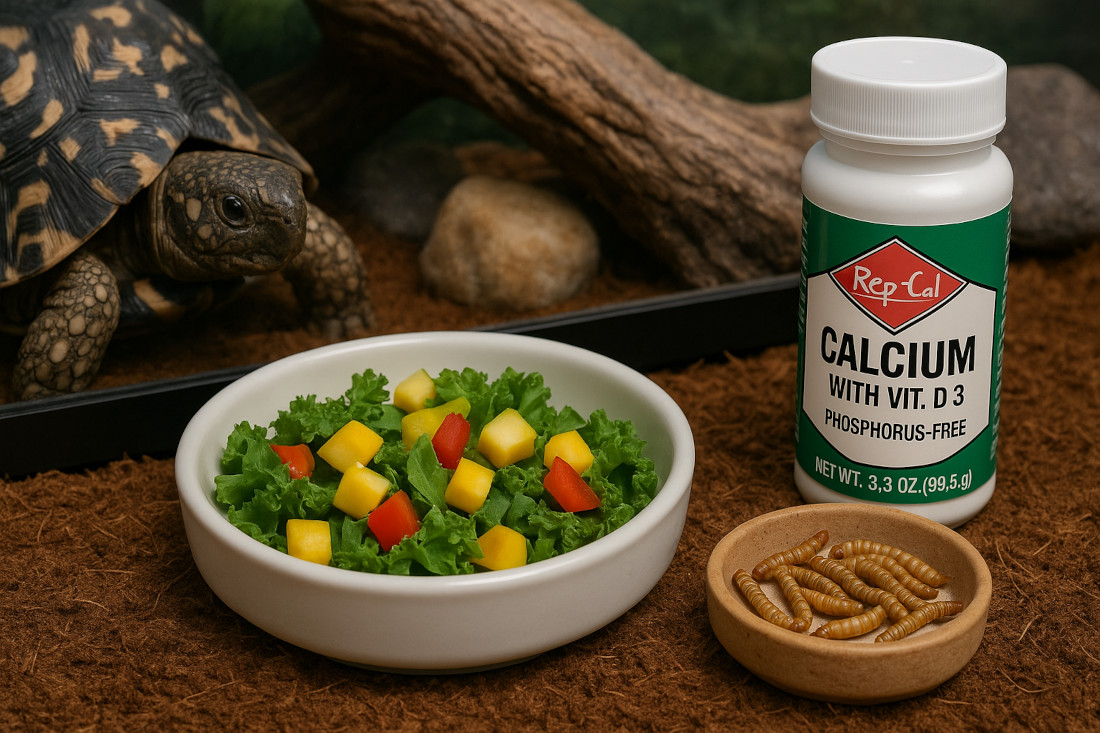
Reptile nutrition varies widely across species, and incorrect feeding is one of the most common causes of illness in captive reptiles in South Africa.
Snakes, lizards, geckos, chameleons, and tortoises all have different dietary needs that must match their natural feeding behaviour.
This guide explains species-specific feeding, safe food sources, supplement use, and South African climate and loadshedding factors that affect digestion and appetite. It is part of the Reptile Care Essentials article hub and the South African Pet Health Guide.
Why Reptile Nutrition Must Match Natural Diet

Reptiles cannot adapt easily to the wrong food type. Carnivores, insectivores, herbivores, and omnivores process food differently.
Feeding a reptile the wrong diet leads to:
- Metabolic bone disease
- Obesity
- Vitamin and mineral deficiencies
- Organ failure
- Poor shedding
- Digestive impaction
Temperature and humidity in South African homes also affect digestion. Reptiles require correct heat gradients to metabolise food properly.
Understanding the Four Main Reptile Diet Types
1. Carnivores
- Snakes
- Monitor lizards
- Some large lizards
Eat rodents, birds, or other reptiles.
2. Insectivores
- Leopard geckos
- Many gecko species
- Chameleons
- Young bearded dragons
Eat insects as primary diet.
3. Omnivores
- Adult bearded dragons
- Some skinks
Eat plant matter and insects.
4. Herbivores
- Tortoises
- Iguanas
Eat a variety of greens, vegetables, and flowers.
Each category requires unique feeding schedules and supplements.
Feeding Snakes in South Africa
Snakes are strict carnivores. Diet must consist of whole-prey items containing bone, organs, muscle, and fat.
Common safe prey
- Frozen-thawed mice
- Frozen-thawed rats
- African soft-furred rats (ASF)
- Quail (for some species)
Never feed
- Live prey (risk of injury)
- Processed meat
- Chicken breast or mince
- Fish-only diets
Feeding frequency
- Baby snakes: every 5–7 days
- Juveniles: every 7–10 days
- Adults: every 10–21 days (species-dependent)
South African considerations
- Avoid feeding during heatwaves if temperatures exceed safe digestion range
- Snakes may refuse food during winter cold snaps, especially in Gauteng and Free State
- Loadshedding temperature drops can stop digestion → risk of regurgitation
Always warm prey to lukewarm temperature before feeding.
Feeding Lizards in South Africa
Lizards vary widely in diet.
Below are guidelines for the most common species kept as pets in SA.
Bearded Dragons
Baby diet
- 70% insects
- 30% greens
Adult diet
- 20–30% insects
- 70–80% vegetables and greens
Safe vegetables
- Butternut
- Green beans
- Collard greens
- Rocket
- Carrots (in moderation)
Safe insects
- Dubai roaches
- Crickets
- Silkworms
- Black soldier fly larvae
Avoid
- Mealworms (high impaction risk for babies)
- Lettuce (no nutrition)
- Spinach (calcium-binding)
South African heat can cause greens to spoil quickly – replace daily.
Blue-tongue Skinks (Tiliqua species)
Diet ratio
- 50% vegetables
- 40% protein (insects or lean soft food)
- 10% fruit (as treat)
Safe protein options
- Insects
- Boiled egg
- Low-sodium cat food (occasional)
Humidity changes in coastal areas affect food spoilage—use shallow bowls and remove uneaten food.
Feeding Geckos in South Africa
Leopard Geckos
Insectivores.
Safe insects
- Crickets
- Dubia roaches
- Black soldier fly larvae
Avoid
- Mealworms (occasional only)
- Wild-caught insects
Leopard geckos require a warm hide for digestion. Loadshedding drops temperature → appetite loss.
Crested Geckos
Omnivorous.
Diet
- Commercial crested gecko diet (powder mix)
- Occasional insects
Do not feed baby food (too much sugar).
Coastal humidity helps but requires good ventilation to avoid mould in food bowls.
Feeding Chameleons in South Africa
Chameleons are insectivores requiring high-quality feeders.
Safe feeders
- Crickets
- Roaches
- Silkworms
- Grasshoppers (store-bought)
Avoid
- Wild-caught insects (pesticides)
- Mealworms
- Superworms (occasional only)
Feeding frequency
- Babies: daily
- Juveniles: every 1–2 days
- Adults: every 2–3 days
Chameleons require well-hydrated feeders—South African dry winters increase dehydration risk.
Feeding Tortoises in South Africa
Common tortoises include Leopard Tortoises, Hingebacks, and Sulcatas.
Diet type
High-fibre herbivores.
Safe foods
- Weeds (dandelion, plantain)
- Hibiscus leaves
- Clover
- Butternut
- Squash
- Green beans
- Prickly pear pads
Avoid
- Fruit (rare treat only)
- Dog food
- Cat food
- Bread
- Spinach
- Kale
- Cabbage
- Peppers
Grazing time
Outdoor grazing is ideal, but avoid chemically treated lawns.
Supplements for Reptiles in South Africa
Many reptiles require calcium and vitamin supplementation.
Calcium
Essential for bone and muscle health.
Dust insects and greens:
- Babies: every feeding
- Adults: 2–3 times per week
Calcium with D3
Use sparingly if UVB is provided.
Multivitamins
Once every 1–2 weeks depending on species.
Over-supplementing can be harmful, especially in arid species.
Hydration and Water Requirements
Snakes
- Shallow water bowl
- Larger bowl for soaking for some species
Lizards
- Clean water daily
- Some species drink from droplets (misting needed)
Tortoises
- Soak babies weekly
- Provide shallow dishes
Chameleons
- Require dripping or misted water
- Cannot drink from bowls
Loadshedding affects water pressure in many homes—plan ahead for misting and soaking.
Feeding During South African Climate Extremes
Heatwaves
- Reptiles may refuse food
- Food spoils quickly
- Keep enclosures cool enough for safe digestion
Cold snaps
- Appetite drops
- Digestion slows
- Risk of regurgitation
Coastal humidity
- Faster food spoilage
- Insect growth changes
Dry inland winters
- Increased dehydration
- Poor shedding
Adjust feeding routines seasonally.
Common Feeding Mistakes in South Africa
Avoid:
- Feeding wild insects
- Incorrect prey size (“no bigger than snake’s widest part”)
- Overfeeding adult lizards
- Feeding tortoises fruit frequently
- Using only mealworms for geckos
- Feeding during cold temperatures
- Not gut-loading insects
These mistakes cause the majority of reptile nutrition problems.
When to See a Reptile Vet
Seek help if your reptile shows:
- Weight loss
- Sunken eyes
- Refusing food for more than 2–3 feeding cycles
- Diarrhoea
- Vomiting
- Undigested food in droppings
- Lethargy
- Mouth swelling or rot
Diet-related problems progress quickly.
Conclusion
Species-appropriate nutrition is essential for reptile health in South Africa. Matching diets to natural feeding habits, maintaining proper temperatures, adjusting for climate changes, and planning for loadshedding support digestion and overall wellbeing.
With proper feeding routines and supplements, reptiles thrive in captivity.
1 thought on “REPTILE FEEDING GUIDE”
Comments are closed.