
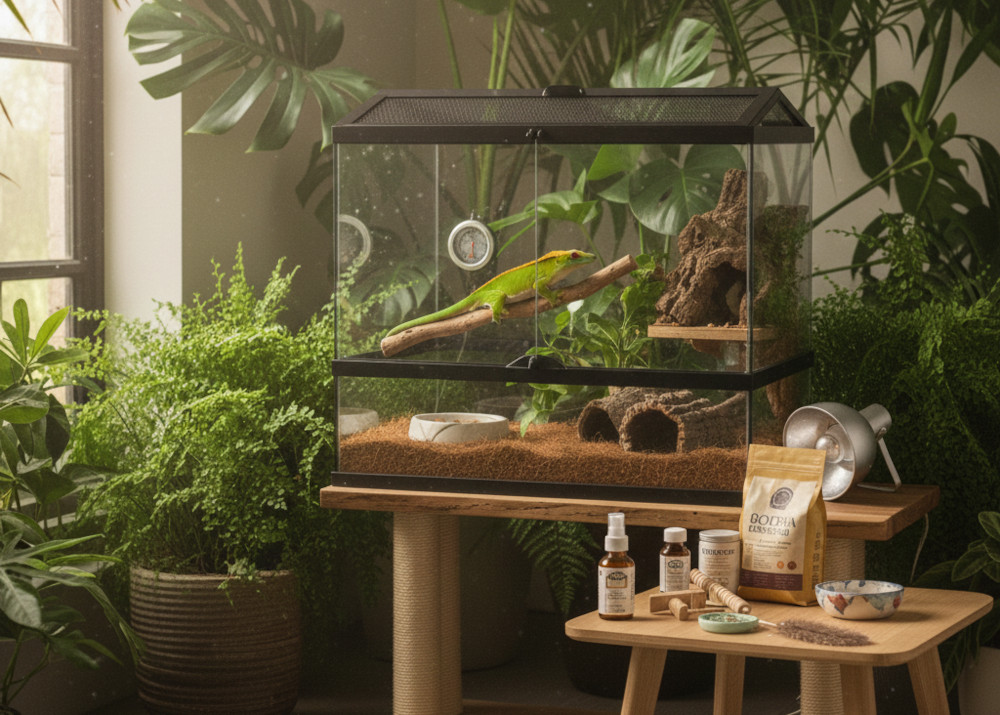
Intro to Reptile Care Essentials
Reptile owners in South Africa must understand reptile habitat setup, reptile heating needs, and reptile nutrition basics before keeping any species. Reptiles rely on correct environmental conditions to regulate body temperature, digest food, and fight disease.
This hub article provides an overview so owners can navigate to deeper information.
Reptile Health Guides and Common Risks in South Africa
This section groups the most common dog health topics faced by South African dog owners, with links to detailed guides covering emergencies, prevention, and long-term care.
Emergency and urgent care
Digestive and illness symptoms
Long-term health and wellbeing
Prevention and responsible ownership
- REPTILE CARE ESSENTIALS
- REPTILE LOADSHEDDING GUIDE
- SA REPTILE PERMIT RULES
- REPTILE ILLNESS SIGNS
- REPTILE UVB GUIDE
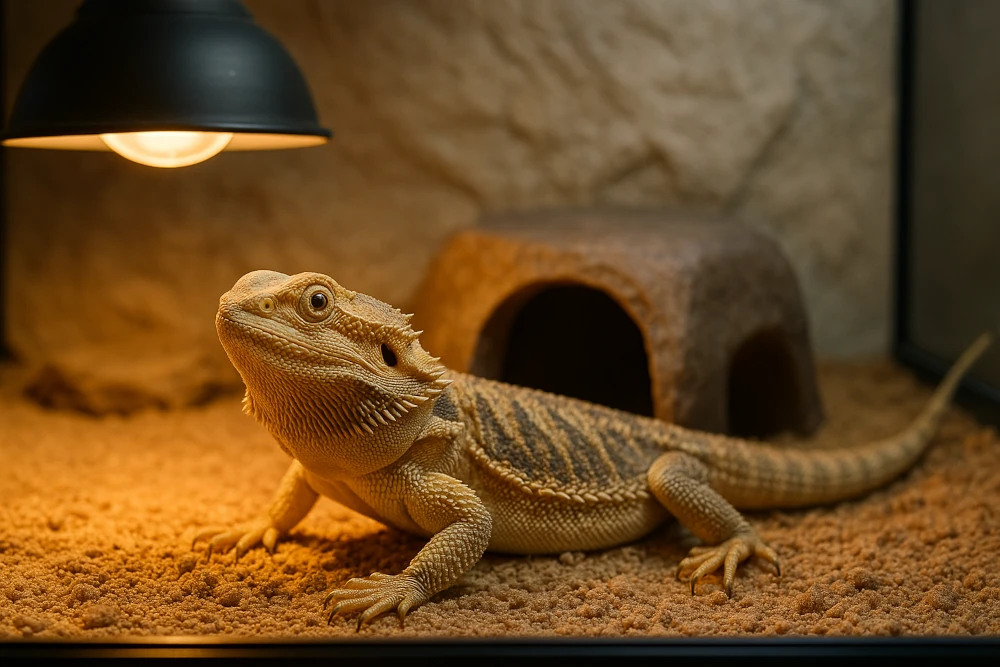
Reptile Habitat Basics
Reptile care begins with creating the correct habitat. Each species has specific needs for space, substrate, humidity, and hiding areas. A well-designed enclosure prevents stress and decreases health problems.
Habitat Principles
- Secure enclosure with correct ventilation
- Substrate appropriate for species
- Hides or shelters for security
- Access to clean water
- Controlled humidity and temperature
Reptile Heating and Lighting Basics
Reptiles depend on external heat sources.
Without proper heating and lighting, reptiles cannot digest food or maintain immune function. Incorrect temperatures are among the most common causes of health issues in captive reptiles.
Heating Elements
- Basking lights
- Heat mats for ground-dwelling species
- Ceramic heat emitters
- Thermostats to maintain stable temperatures
Lighting Elements
- UVB bulbs for vitamin D3 synthesis
- Light cycles to mimic natural patterns
- Replacement schedules for UVB tubes
Reptile Nutrition Basics
Reptile diets vary widely between species.
Some reptiles are insectivores, others are herbivores, and some are omnivores. Feeding must match natural patterns and life stages.
Nutrition Considerations
- Correct calcium-to-phosphorus ratio
- Gut-loading insects
- Safe vegetables for herbivores
- Controlled protein levels for certain species
Your deeper nutrition articles can cover food lists, supplementation, and feeding schedules.
Handling and Behaviour
Reptiles should be handled with care.
Handling frequency depends on species. Incorrect handling leads to stress, defensive behaviour, or injury. Behavioural changes indicate environmental stress or health problems.
This guide forms part of our complete South African Pet Health Guide, covering dogs, cats, birds, and reptiles.
6 thoughts on “REPTILE CARE ESSENTIALS”
Comments are closed.