
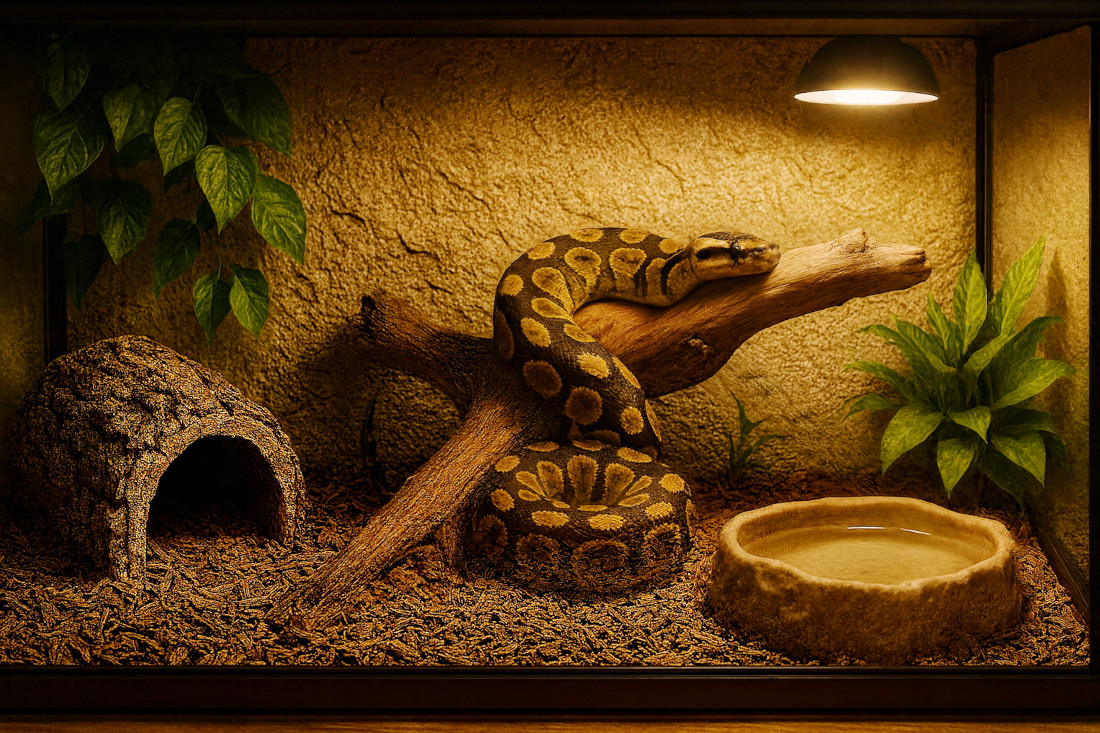
A reptile habitat for keeping reptiles in South Africa needs the correct heat, humidity, and habitat design. Improper temperature gradients, incorrect lighting, and poor humidity control are the biggest causes of illness in captive reptiles.
This guide explains how to create a safe, species-appropriate enclosure for snakes, lizards, geckos, and tortoises in South African climates, including heatwave risks, winter temperature drops, and loadshedding challenges. It is part of the Reptile Care Essentials article hub and the South African Pet Health Guide.
Why Habitat Setup Determines Reptile Health
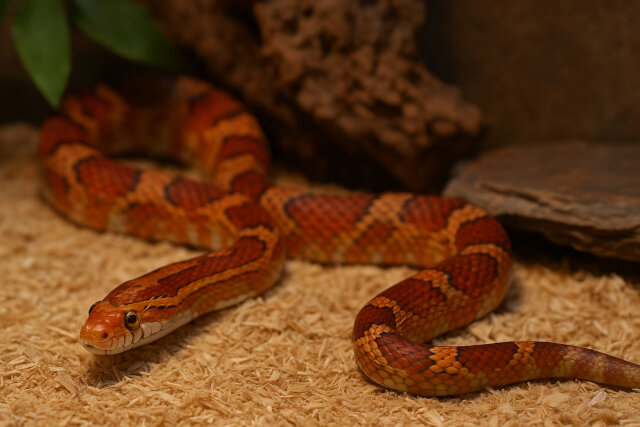
Reptiles are ectothermic and rely on external temperatures to regulate body processes. When heat, humidity, and lighting are incorrect, reptiles cannot digest food, fight infection, shed properly, or maintain normal organ function.
In South Africa, climate extremes – heatwaves, dry Highveld winters, coastal humidity, and loadshedding – make habitat control more challenging.
Proper setup prevents respiratory disease, metabolic bone disease, shedding problems, and stress-related illness.
Understanding the Three Essential Habitat Elements
1. Heat
Reptiles require temperature gradients, not a single temperature.
2. Humidity
Correct humidity supports shedding, hydration, and breathing.
3. Lighting
UVB lighting supports calcium absorption and overall health.
Each species has unique requirements, and incorrect levels lead to fast, serious problems.
The Importance of Temperature Gradients
All reptiles need a hot side, cool side, and basking spot. Without a gradient, reptiles cannot regulate their body temperature.
Typical basking temperatures (general guide):
- Bearded dragons: 40–45°C
- Corn snakes: 29–32°C
- Ball pythons: 31–33°C
- Leopard geckos: 31–33°C
- Monitor lizards: 45–55°C
Cool side temperature range:
- Usually 22–27°C, depending on species
Night temperatures:
- Should drop safely but never below species-specific minimums
South African homes often fluctuate from cold mornings to hot afternoons, so monitoring is essential.
Safe Heating Options in South Africa
1. Ceramic heat emitters (CHE)
- Good for stable heat
- Produce no light
- Work well for nocturnal animals
2. Under-tank heaters (UTH)
- Essential for geckos and snakes
- Use only with a thermostat
3. Heat lamps
- Best for basking species
- Must be mounted securely
4. Deep Heat Projectors (DHP)
- Provide infrared heat similar to natural sun warmth
5. Radiant heat panels
- Expensive but very stable and safe
Heating Methods to Avoid
Avoid:
- Heat rocks (cause burns)
- Open flames
- Halogen floodlights without guards
- Any heating device without a thermostat
Cheap equipment sold in some SA pet shops often leads to burns or overheating.
How Loadshedding Affects Reptile Heating
Loadshedding is a major risk for reptiles in South Africa. This includes load reduction to manage various electricity constraints in the country.
Risks include:
- Night temperature crashes
- Heat loss in winter
- Humidity drops
- Food digestion failure
- Respiratory illness
Solutions:
- Use inverter or UPS for heating
- Insulate enclosures during outages
- Use heat-retaining stones (not heat rocks)
- Provide warm hide boxes
Planning for outages prevents temperature shock.
Humidity Control in South African Climates
Humidity levels vary widely across provinces.
Dry regions (Gauteng, Free State, Northern Cape)
- Low humidity → shedding problems
- Need humid hides and misting
Humid regions (KZN, Eastern Cape, coastal WC)
- High humidity → respiratory infections
- Need ventilation and dehumidification
Typical humidity ranges:
- Ball pythons: 55–70%
- Corn snakes: 40–55%
- Leopard geckos: 30–40%
- Bearded dragons: 20–40%
- Chameleons: 50–80% (species-dependent)
Use hygrometers on both warm and cool sides.
Safe Substrates for SA Reptiles
Different species require different substrates.
Snakes
- Newspaper
- Reptile carpet
- Aspen bedding (for non-humid species)
- Coconut husk (for tropical species)
Geckos
- Paper towel (for juveniles)
- Reptile carpet
- Fine loose substrate for adult leopard geckos
Bearded dragons
- Tile
- Paper towel
- Reptile carpet
Tortoises
- Soil and sand mixes
- Coconut coir
- Grass patches
Avoid these substrates
- Calcium sand
- Coarse sand
- Kitty litter
- Wood shavings containing oils (pine/cedar)
These substrates commonly cause impaction or respiratory problems.
Lighting and UVB Requirements
UVB lighting is essential for most reptiles, especially diurnal species.
UVB helps with:
- Calcium absorption
- Bone strength
- Metabolic function
- Appetite regulation
Typical UVB setups:
- T5 HO UVB tubes (best option)
- Compact UVB bulbs (only for small enclosures)
- Must be replaced every 6–12 months
Species that need UVB:
- Bearded dragons
- Tortoises
- Day geckos
- Most lizards
Species with low/no UVB needs:
- Leopard geckos
- Corn snakes
- Ball pythons
Check species-specific care sheets for exact requirements.
Safe Habitat Décor and Enrichment
Safe décor
- Cork bark
- Rocks (secured to prevent collapse)
- Branches
- PVC hides
- Plastic plants (non-toxic)
- Terracotta pots
Unsafe décor
- Sharp rocks
- Fragile driftwood
- Painted items
- Items with metal screws in humid enclosures
- Anything from pesticide-treated gardens
Décor should support natural climbing, hiding, or burrowing behaviours.
Enclosure Size Guidelines
Snakes
Minimum length = 2/3 of snake’s length.
Larger enclosures are always better.
Lizards
Horizontal space for geckos and dragons.
Vertical space for chameleons and arboreal species.
Tortoises
Outdoor access in warm months is ideal.
Indoor pens must allow natural walking behaviour.
Overcrowded enclosures cause stress and illness.
Shedding Problems in South African Conditions
Improper humidity causes stuck shed.
Signs
- Retained eye caps
- Dry patches
- Stuck tail tip
- Patchy shed
Solutions
- Increase humidity inside the hide
- Offer supervised warm baths (species-dependent)
- Use shedding boxes with sphagnum moss
Coastal reptiles often need drier enclosures; inland reptiles often need added moisture.
Feeding and Habitat Interaction
Feeding depends on species but must align with habitat conditions.
Snakes
- Only feed when warm enough to digest
Lizards
- Heat is required for appetite and digestion
- UVB improves calcium absorption
Tortoises
- Diet must match natural habitat
- Outdoor time improves health
Poor habitat = poor feeding response.
Common Habitat Mistakes in South Africa
1. Using cheap imported heat rocks
Cause burns.
2. Relying only on a room heater
Does not create gradients.
3. Incorrect UVB distance
Too far → no benefit
Too close → eye damage
4. No thermostat on heat equipment
Most common cause of overheating.
5. Poor ventilation in humid regions
Leads to respiratory disease.
6. Wrong substrate
Impaction, mould, or skin irritation.
When to See a Reptile Vet
Seek help if your reptile shows:
- Loss of appetite
- Unusual hiding
- Open-mouth breathing
- Stuck shed
- Lethargy
- Weight loss
- Wheezing
- Swelling
- Burns
- Abnormal droppings
Incorrect habitat is the leading cause of reptile vet visits.
Conclusion
Heat, humidity, and habitat control are essential for reptile health in South Africa. Correct temperature gradients, safe substrates, proper UVB lighting, and climate-aware setups prevent illness and improve long-term wellbeing.
Planning for loadshedding and adapting to regional conditions are key to reptile survival.