
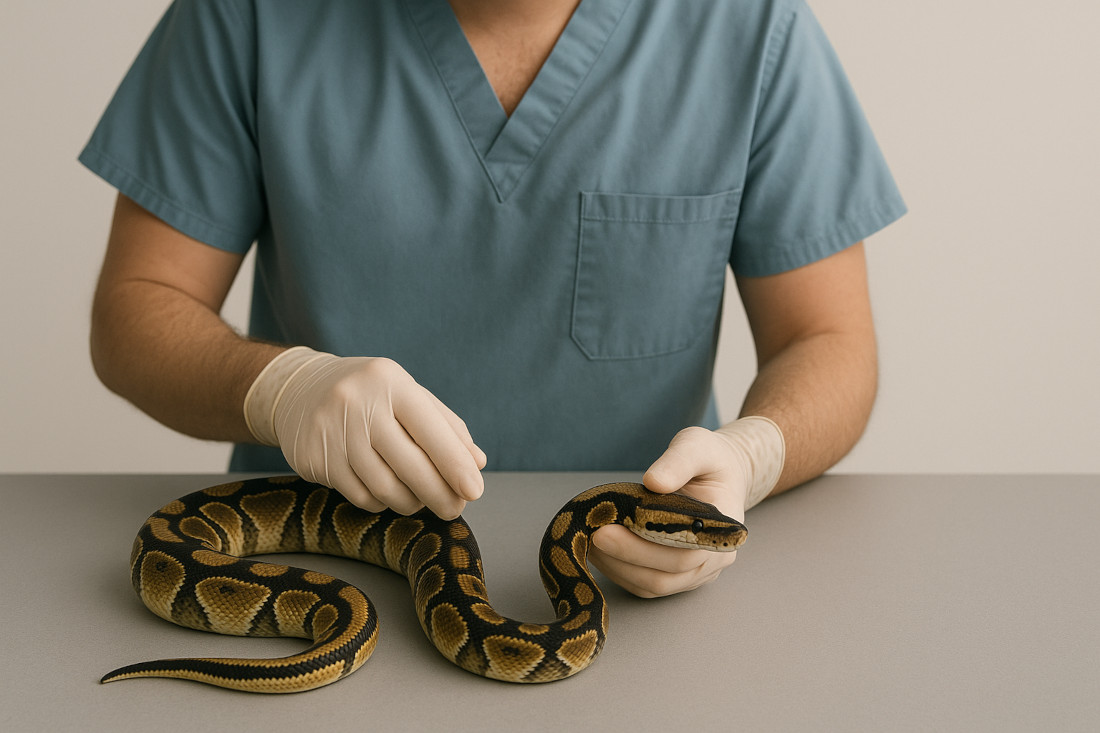
Reptiles hide symptoms until they are severely ill, which makes early detection essential for South African keepers. Subtle changes in appetite, behaviour, movement, shedding, or body condition often appear long before visible disease.
This guide explains the early and advanced signs of illness in snakes, lizards, geckos, chameleons, and tortoises, with climate and loadshedding considerations that affect health in South Africa. It is part of the Reptile Care Essentials article hub and the South African Pet Health Guide.
Why Reptiles Hide Symptoms
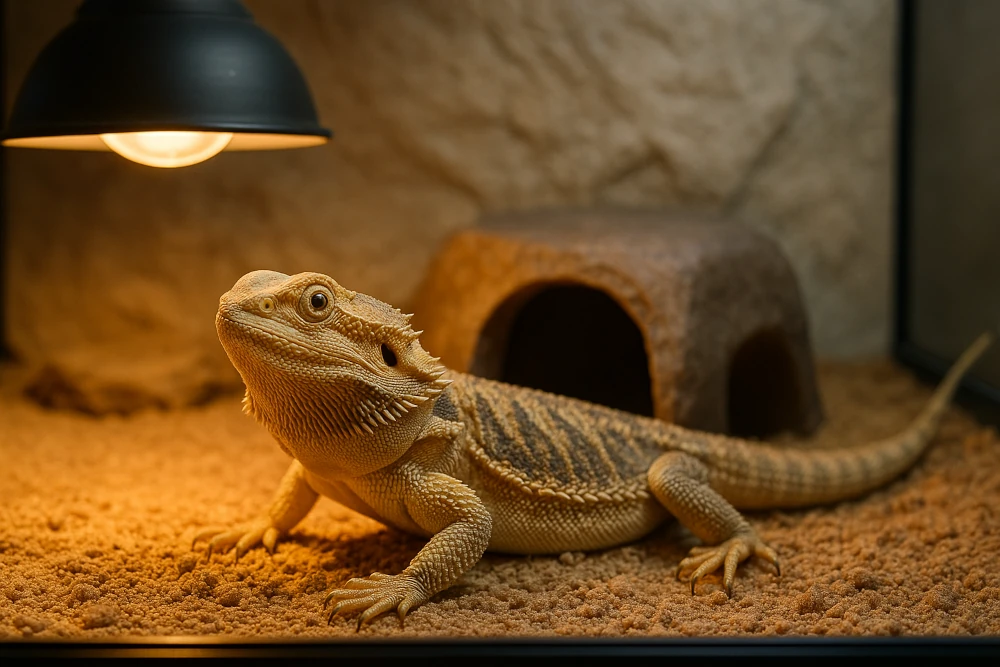
Reptiles evolved to mask weakness to avoid predators. This means most visible symptoms appear only when illness is advanced. Early detection depends on observing daily behaviour and maintaining proper habitat conditions.
South African factors such as heatwaves, cold snaps, humidity differences between provinces, and loadshedding disruptions increase the risk of illness or stress-related problems.
The Most Important Early Warning Signs
1. Changes in appetite
One of the earliest signs of illness.
Possible causes:
- Incorrect habitat temperature
- Stress from handling
- Parasites
- Infection
- Shedding cycle
- Loadshedding temperature drops
Any unexplained food refusal lasting more than two feeding cycles needs investigation.
2. Unusual behaviour
Reptiles show behavioural symptoms before physical ones.
Examples:
- Hiding more than usual
- Increased aggression
- Sudden tameness in normally flighty species
- Restlessness
- Avoiding basking
Behaviour shifts often indicate environment or health problems.
3. Lethargy
A reptile that becomes inactive, weak, or slow-moving may be ill.
Common causes:
- Incorrect temperatures
- Dehydration
- Respiratory infections
- Parasites
- MBD (metabolic bone disease)
Lethargy is often the first sign owners notice during seasonal temperature changes.
4. Abnormal droppings
Healthy reptile droppings contain a solid faecal section and a white urate section.
Warning signs include:
- Runny stool
- No urates
- Red streaks
- Foul smell
- Hard, dry droppings (dehydration)
These symptoms appear in gastrointestinal disease, parasites, and improper feeding.
Respiratory Illness in South African Reptiles
Respiratory disease is extremely common in SA due to temperature instability, coastal humidity, Highveld dryness, and poor ventilation.
Common signs
- Wheezing
- Clicking sounds
- Open-mouth breathing
- Bubbles at nose
- Head held elevated to breathe
- Frequent yawning
Contributing SA conditions
- Loadshedding → night temperature crashes
- Coastal humidity → mould and damp air
- Winter cold snaps → insufficient heating
- Poor ventilation in humid provinces
Respiratory infections require urgent vet care.
Shedding Problems (Dysecdysis)
Improper humidity and poor nutrition cause shedding problems.
Symptoms
- Retained shed on toes (common in geckos)
- Eye caps stuck (dangerous in snakes)
- Patchy or incomplete shed
- Dry, cracked skin
South African triggers
- Gauteng and Free State dry winters
- Aircon use during heatwaves
- Incorrect humidity hides
- Substrate drying too quickly
Provide a humid hide and correct humidity levels based on species.
Metabolic Bone Disease (MBD)
MBD is widespread in South Africa due to incorrect UVB or calcium intake.
Early signs
- Soft jaw
- Weak grip
- Shaking or tremors
- Difficulty climbing
- Changes in posture
Advanced signs
- Bent legs
- Spine deformity
- Paralysis
- Seizures
Incorrect UVB placement is the leading cause.
Gastrointestinal Illness
Gastrointestinal problems occur across all reptile species.
Signs
- Vomiting or regurgitation
- Loose stools
- Loss of appetite
- Bloated appearance
- Undigested food
Triggers
- Feeding during cold conditions
- Incorrect prey size
- Wild-caught insects
- Dirty water bowls
Loadshedding often disrupts digestion because reptiles lose heat during outages.
Dehydration in South African Conditions
Dehydration is common due to dry indoor air, Highveld winters, and poor humidity control.
Symptoms
- Wrinkled skin
- Sunken eyes
- Thick or absent urates
- Lethargy
- Weakness
High-risk provinces
- Gauteng
- North West
- Free State
- Northern Cape
Reptiles need species-specific hydration methods, including misting, soaking, or dripping systems.
Mouth Rot (Stomatitis)
A bacterial infection that spreads quickly.
Symptoms
- Swollen gums
- Yellow patches
- Drooling
- Refusal to eat
- Open-mouth resting
Stress, incorrect humidity, and minor injuries from prey or décor often trigger infections.
Parasites
Internal and external parasites are common in reptiles kept in warm South African homes.
Internal parasite symptoms
- Weight loss
- Diarrhoea
- Poor appetite
- Abnormal droppings
External parasite symptoms
- Mites appearing as black or red dots
- Rubbing against objects
- Soaking excessively
Parasitic infections spread quickly and require professional treatment.
Skin and Scale Problems
Symptoms
- Red patches
- Scale lifting
- Blisters
- Discolouration
- Fungus or mould growth
SA triggers
- Damp enclosures in coastal areas
- Incorrect substrate
- Poor ventilation
- Unclean décor
Heat lamps that dry the skin unevenly also contribute.
Neurological Signs
Neurological symptoms indicate advanced illness.
Warning signs
- Loss of balance
- Rolling or flipping over
- Head tilting
- Seizure-like movements
- Inability to right themselves
Seek emergency veterinary care immediately.
Sudden Behavioural Changes Caused by Loadshedding
Loadshedding affects reptiles in ways many owners do not expect.
Typical responses
- Restlessness after temperature drop
- Hiding for long periods
- No interest in food
- Difficulty digesting previous meals
- Stress behaviours (pacing, glass-surfing)
Backup heat systems are essential for reptiles in South Africa.
When Illness Is an Emergency
Seek immediate vet care if your reptile shows:
- Open-mouth breathing
- Limp, unresponsive posture
- Sudden paralysis
- Vomiting after feeding
- Bloated or swollen abdomen
- Blood in droppings
- Severe dehydration
- Burns
- Suspected egg binding
Reptile emergencies progress quickly.
How to Check a Reptile’s Health at Home
Short daily checks help detect early problems.
Daily
- Movement and energy
- Appetite
- Basking behaviour
- Droppings appearance
- Clear eyes and nose
Weekly
- Weight checks
- Body condition
- Skin appearance
- Inspection for mites
Monthly
- Evaluate enclosure temperatures
- Replace worn décor
- Clean deep areas
Regular observation prevents advanced illness.
How Habitat Problems Cause Illness in South Africa
Most reptile illness originates from environmental issues.
Common problems
- Incorrect UVB
- Wrong humidity
- Too little heat
- No temperature gradient
- Poor ventilation
- Unsafe substrate
- Dirty water bowls
Fixing the habitat often resolves early symptoms.
When to Visit a Reptile Vet
Consult a reptile-experienced vet if:
- Illness persists longer than 48–72 hours
- Appetite does not return after habitat correction
- Signs worsen or new symptoms appear
- Weight loss occurs
- Respiratory symptoms develop
- Shedding problems repeat
Reptiles require specialist care for accurate diagnosis.
Conclusion
Reptiles show subtle signs of illness before severe symptoms appear. Identifying appetite changes, abnormal behaviour, shedding issues, or respiratory symptoms early is essential in South Africa’s climate.
Habitat stability, UVB accuracy, and loadshedding preparation prevent most health problems and support long-term wellbeing.
If symptoms appear, consult a qualified reptile veterinarian in South Africa.
1 thought on “REPTILE ILLNESS SIGNS”
Comments are closed.