

Reptiles need specialised veterinary care that many general small-animal vets are not trained to provide.
Snakes, lizards, geckos, chameleons, and tortoises all have unique anatomy, metabolic needs, and illness patterns.
This guide explains how to find a qualified reptile veterinarian in South Africa, what skills to look for, how provincial access differs, and how loadshedding affects emergency reptile care. It is part of the Reptile Care Essentials article hub and the South African Pet Health Guide.
Why Reptiles Need Specialised Vets in South Africa
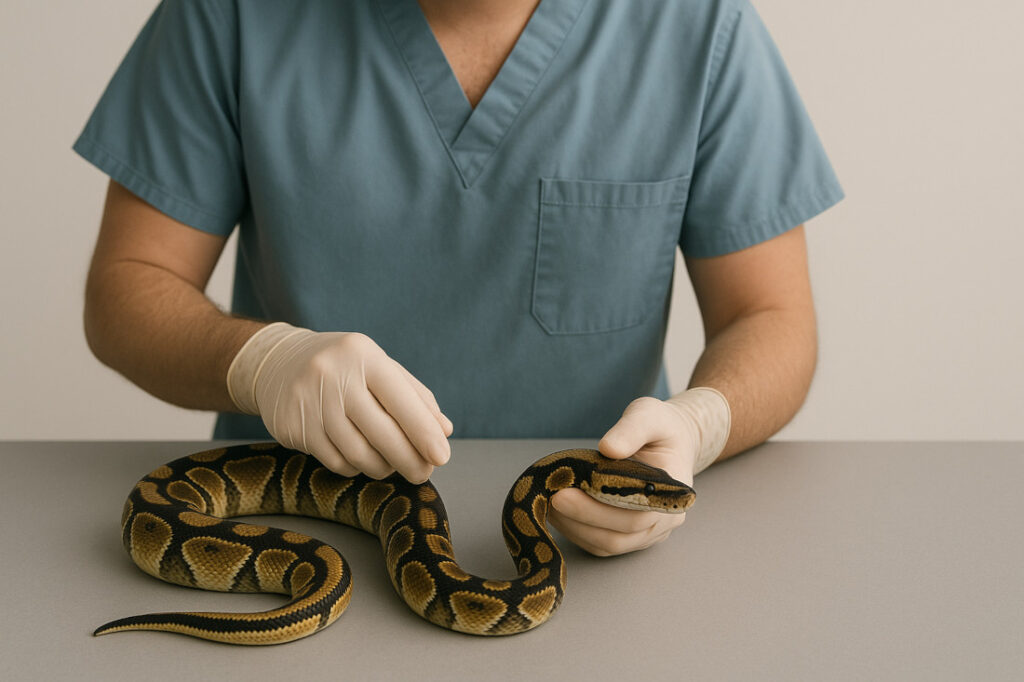
Reptiles have unique:
- Metabolism
- Temperature needs
- Immune responses
- Bone structure
- Respiratory systems
Most reptile illnesses present late, which makes expert diagnosis essential. Habitat-related diseases—common in SA due to climate differences and loadshedding—require reptile-specific knowledge.
General vets may treat reptiles for minor issues, but complex problems need a veterinarian experienced in exotic and reptile medicine.
What Makes a Veterinarian Qualified to Treat Reptiles?
There is no formal “reptile vet” title in South Africa, so owners must look for practical indicators of expertise.
1. Experience with reptile species
A reptile-competent vet should regularly treat:
- Snakes
- Bearded dragons
- Leopard geckos
- Chameleons
- Tortoises
- Monitors
Experience matters more than titles.
2. Reptile-specific diagnostic tools
A good reptile vet should have:
- Digital x-ray with fine resolution
- Blood testing for small samples
- Reptile-safe anaesthesia protocols
- Crop and cloacal swabs
- Fecal parasite testing equipment
- UVB meters (Solarmeter recommended)
- Fine dental tools for tortoise beak trims
If a clinic has none of these, they may not be reptile-experienced.
3. Knowledge of habitat-related illnesses
Common SA reptile problems include:
- Metabolic bone disease
- Respiratory infections
- Parasites
- Shedding problems
- Dehydration
- Burns from incorrect heating
- Digestive issues during loadshedding cooling periods
A reptile vet must understand how heat, humidity, UVB, and SA climate patterns interact.
4. Membership or training
Useful indicators include:
- Exotic-animal CPD courses
- Experience at wildlife rehabilitation centres
- Membership in international reptile veterinary groups
Not a requirement, but a strong signal.
How to Find a Reptile Vet in South Africa
1. Use exotic-animal vet directories
Search:
- South African Veterinary Association (SAVA)
- Exotic-animal vet referral lists
- International reptile vet databases
These lists sometimes include reptile-competent clinics.
2. Ask local reptile groups
Community knowledge is extremely valuable.
South African groups include:
- Reptile Facebook groups
- Local WhatsApp reptile networks
- Herpetology clubs
- Breeder communities
- Reptile rescue organisations
These groups know which vets successfully treat reptiles in different provinces.
3. Contact reptile rescues and rehab centres
Reptile rescues work closely with specialist vets.
Commonly consulted rescues:
- Gauteng reptile rehabilitators
- KZN wildlife rescue groups
- Cape Town exotic-animal rehab centres
They can provide verified recommendations.
4. Ask your general vet for a referral
Most general vets refer reptile cases to exotic-animal specialists.
5. Exotic-animal clinics
Clinics that treat birds, exotic mammals, and wildlife often have reptile experience.
Provincial Guide: Reptile Vet Availability in South Africa
Gauteng
- Best availability of reptile vets
- Johannesburg, Pretoria, Midrand, East Rand
- Many exotics-focused clinics with x-rays and blood machines
Western Cape
- Cape Town and surrounds have several reptile-experienced clinics
- Good access for bearded dragon, tortoise, and snake owners
- Coastal humidity influences illness type
KwaZulu-Natal
- Durban and coastal towns have vets experienced with humidity-related illnesses
- Respiratory infections common due to climate
Eastern Cape
- Fewer reptile specialists; owners often drive to larger centres
- Heat and cold swings increase illness rates
Limpopo and Mpumalanga
- Some vets treat pet reptiles, especially near major towns
- Heat stress and parasites more common
Free State
- Limited exotics-trained vets; rely on Gauteng referrals
Northern Cape
- Sparse veterinary access; remote owners require strong habitat stability
North West
- Several general vets with moderate reptile experience
- Specialist clinics less common
Questions to Ask Before Booking
Before choosing a vet, ask:
- How many reptile cases do you treat monthly?
- Do you perform x-rays on reptiles?
- Do you have experience with my species?
- Do you have UVB meters or reptile-appropriate equipment?
- Can you treat burns, respiratory infections, or MBD?
- Do you perform fecal parasite tests?
If the vet hesitates, choose another.
How to Prepare for a Reptile Vet Visit
1. Bring temperatures and humidity records
Many reptile illnesses come from habitat issues.
2. Bring the reptile in a secure, warm container
Use a ventilated travel tub or secure cloth bag for snakes.
3. Keep the reptile warm during travel
Avoid temperature dips during loadshedding.
4. Bring recent photos and droppings
Dropping samples help diagnose parasites and digestive issues.
5. Take a photo of your enclosure setup
Helps the vet identify lighting or heating mistakes.
Emergency Signs That Require Immediate Veterinary Care
Seek urgent help if your reptile shows:
- Open-mouth breathing
- Severe lethargy
- Tremors or seizures
- Unable to move normally
- Bloated abdomen
- Blood in droppings
- Burns
- Stuck shed on eyes
- Rapid weight loss
Reptile emergencies progress quickly — do not wait overnight.
How Loadshedding Affects Reptile Veterinary Care
Loadshedding complicates reptile health management in several ways.
1. Clinic equipment may be offline
X-ray machines and blood analysers may not work during outages.
2. Temperature drops during travel
Cold weather plus outage → high risk of digestive shock.
3. Delayed appointments
Traffic buildup around outage times may reduce appointment slots.
4. Lighting disruptions
Reptiles on UVB-dependent treatment plans need consistent lighting.
5. Heating loss at home
Many reptiles deteriorate quickly during repeated outages.
Plan vet visits outside scheduled loadshedding periods when possible.
When to Switch to a Specialist Reptile Vet
Change your primary reptile vet if:
- Your current vet misdiagnoses repeatedly
- They lack reptile-specific equipment
- They cannot perform x-rays or blood tests
- Your reptile does not improve despite treatment
- They recommend outdated husbandry advice
Reptile cases require experience, not general theory.
Common Illnesses Seen by SA Reptile Vets
Reptile vets commonly treat:
- Metabolic bone disease
- Respiratory infections
- Shedding problems
- Burns from incorrect heating
- Parasites
- Dehydration
- Mouth rot
- Egg binding
- Impaction
Most illnesses link back to habitat mistakes.
Average Reptile Vet Costs in South Africa
Typical prices:
- Consultation: R350–R650
- X-rays: R500–R1,200
- Blood tests: R700–R1,500
- Parasite tests: R200–R450
- Hospitalisation: R1,000–R2,500 per day
- MBD treatment: variable depending on severity
Prices vary by province and clinic equipment.
Preventing Illness to Reduce Vet Visits
1. Stable temperatures
Use thermostats and backup heat.
2. Correct UVB
Replace bulbs every 6–12 months.
3. Proper humidity
Match province to species.
4. Clean enclosure
Prevents parasites and infection.
5. Species-appropriate diet
Avoid wild insects and incorrect prey.
6. Avoid overcrowding
Reduces stress and disease spread.
Conclusion
Finding a reptile-trained veterinarian in South Africa ensures proper diagnosis, safer treatments, and long-term health for snakes, lizards, geckos, tortoises, and chameleons.
Climate conditions, loadshedding, and habitat complexity require experienced veterinary care and routine health checks.