
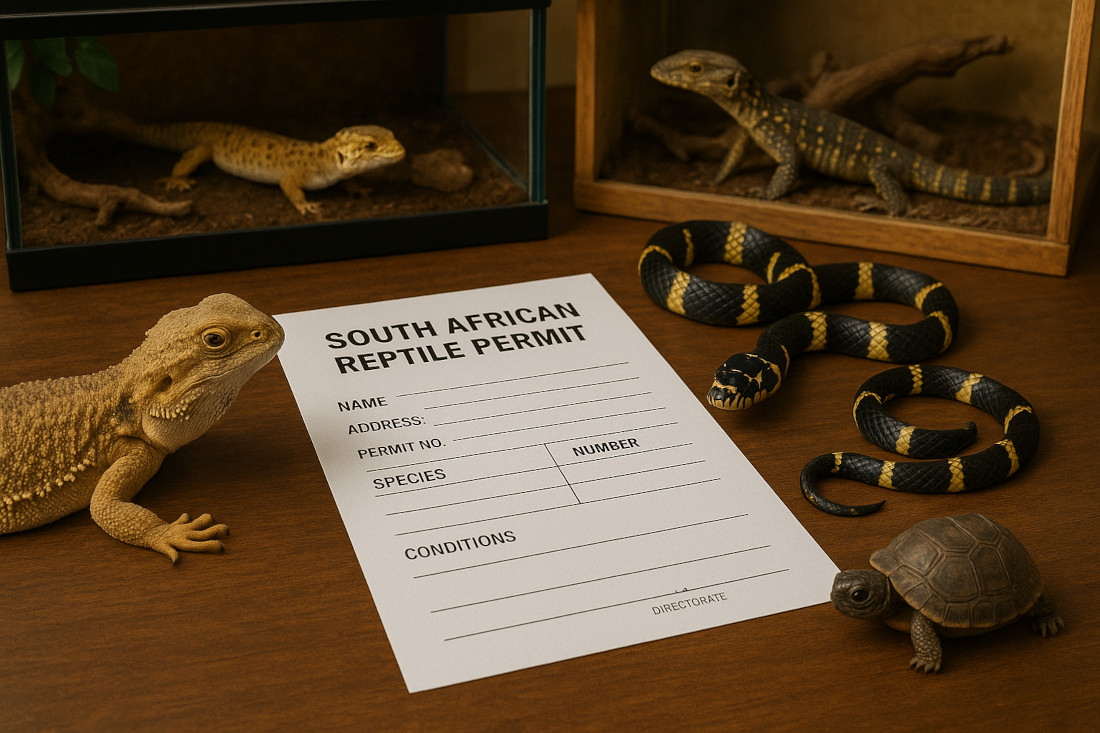
Keeping reptiles in South Africa is regulated by national and provincial laws that control the capture, transport, sale, and ownership of indigenous species. Exotic reptiles have fewer restrictions, but owners must still comply with welfare and housing standards.
This guide explains how South African reptile permits work, which reptiles are legal or restricted, how provincial systems differ, and what new keepers must do to stay compliant. It is part of the Reptile Care Essentials article hub and the South African Pet Health Guide.
Why Reptile Permits Exist in South Africa
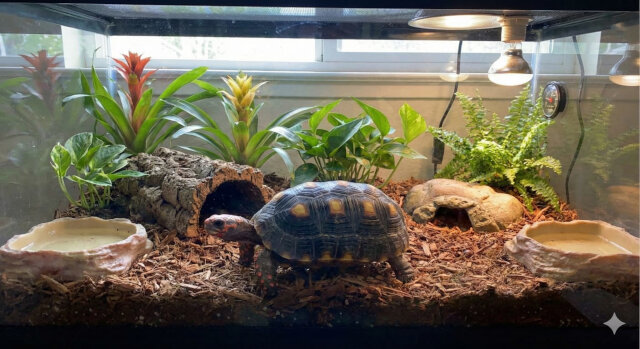
South Africa has rich reptile biodiversity, including tortoises, geckos, chameleons, and snakes. Many species face threats from habitat loss, poaching, and illegal trade.
Permits help:
- Protect native reptiles
- Control exotic species that may become invasive
- Ensure ethical breeding
- Track wildlife movement
- Limit animal cruelty and improper housing
Reptile owners must understand regional laws, as regulations differ between provinces.
Key Difference: Indigenous vs Exotic Reptiles
The most important rule in South Africa is whether the reptile is indigenous (naturally occurring in SA) or exotic (introduced from outside SA).
Indigenous reptiles
Examples:
- Leopard tortoise
- Cape dwarf gecko
- Southern African python
- Rinkhals
- Flap-neck chameleon
Indigenous reptiles almost always require permits for keeping, transporting, or breeding.
Exotic reptiles
Examples:
- Bearded dragons
- Ball pythons
- Corn snakes
- Leopard geckos
- Burmese pythons
- Blue-tongue skinks
Most exotic reptiles do not require permits but must be legally imported or bred.
National Laws That Apply to All Provinces
South Africa’s national framework includes:
- NEMBA (National Environmental Management: Biodiversity Act)
- CITES (Convention on International Trade in Endangered Species)
NEMBA
Controls:
- Alien species
- Invasive species
- Threatened indigenous species
- Restricted activities (capture, transport, breeding, trade)
CITES
Controls international trade in endangered species.
CITES-listed species (e.g., tortoises, monitor lizards, pythons) require export/import permits.
Provincial Reptile Permit Systems in South Africa
Each province has its own conservation authority, forms, fees, and rules. This is where most reptile owners get confused.
Below is an easy, province-by-province breakdown.
Gauteng
Authority: Gauteng Department of Agriculture and Rural Development (GDARD)
Permit requirements
- Indigenous reptiles: permit required to keep or transport
- Exotics: no permit required for common pet species
Notes
- Leopard tortoises and indigenous snakes require strict permits
- Ranching or breeding requires additional authorisation
Western Cape
Authority: CapeNature
Permit requirements
- Indigenous reptiles require a permit
- Special restrictions on tortoises, chameleons, and adders
- Exotics generally unregulated
Notes
- CapeNature enforces strict enforcement around tortoise keeping
- Wildlife transport between Cape provinces requires additional forms
KwaZulu-Natal
Authority: Ezemvelo KZN Wildlife
Permit requirements
- Indigenous reptiles require permits
- Some species require proof of legal origin
- Chameleons heavily regulated
Notes
- KZN enforces rules strongly due to poaching and illegal wildlife trade
- High penalties for possessing indigenous reptiles without permits
Limpopo
Authority: LEDET (Limpopo Economic Development, Environment and Tourism)
Permit requirements
- Indigenous reptiles require permits
- Tortoises strictly controlled
- Python species need documentation
Notes
- Limpopo has many snake species — transport permits often required
Mpumalanga
Authority: Mpumalanga Tourism and Parks Agency (MTPA)
Permit requirements
- Indigenous reptiles require permits
- Exotics typically exempt
- Additional rules for commercial breeding
Free State
Authority: DESTEA (Department of Economic, Small Business Development, Tourism and Environmental Affairs)
Permit requirements
- Indigenous species require permits
- Transport and sale heavily regulated
North West
Authority: North West Department of Rural, Environment and Agricultural Development
Permit requirements
- Indigenous reptiles require keeping and transport permits
- Exotics mostly unregulated
Northern Cape
Authority: Department of Environment and Nature Conservation (DENC)
Permit requirements
- Indigenous reptiles require permits
- Strict control on tortoise species due to poaching routes
Eastern Cape
Authority: Eastern Cape Parks and Tourism Agency (ECPTA)
Permit requirements
- Indigenous reptiles require permits
- Tortoise and chameleon species closely monitored
Reptiles Commonly Kept Without Permits (Exotic Species)
These species are widely kept in SA without a permit:
- Bearded dragons
- Leopard geckos
- Corn snakes
- Ball pythons
- Milk snakes
- Blue-tongue skinks
- Burmese pythons
- Boa constrictors
Even if permits are not required, owners must still follow welfare and anti-cruelty laws.
Indigenous Reptiles That Require Permits in All Provinces
- Leopard tortoises
- Hingeback tortoises
- Marsh terrapins
- Flap-neck chameleons
- Dwarf chameleons
- Monitor lizards
- Rinkhals
- Adders
- Southern African pythons
These species are protected from illegal collection and trade.
Illegal to Keep Without a Permit (Most Provinces)
- Any wild-caught reptile
- Any indigenous snake removed from nature
- Any indigenous tortoise or terrapin
- Any captured chameleon
Even rescuing an injured reptile requires notifying the provincial authority.
Reptile Transport Laws
Transport permits required for:
- Moving indigenous reptiles between provinces
- Selling or buying indigenous reptiles
- Relocating a reptile to a new home
Transport rules
- Secure, escape-proof container
- Minimal stress for the reptile
- Temperature-appropriate conditions
- Proof of legal origin
Transporting protected species without permits carries high penalties.
Owning a Reptile Without a Permit — Penalties
Consequences vary but may include:
- Fines of several thousand rand
- Confiscation of the reptile
- Criminal charges
- Lifetime ban on wildlife permits
Each province enforces penalties differently.
How Loadshedding Affects Permit and Welfare Compliance
Reptile welfare rules require owners to maintain:
- Safe enclosures
- Adequate heating
- Proper lighting
- Ventilation
Loadshedding threatens these requirements.
Owners need:
- Backup heating
- Battery-powered lighting
- Consistent temperature control
Welfare inspectors may evaluate whether reptiles are kept in conditions that prevent unnecessary suffering.
Ethical Considerations for Reptile Owners
Even when permits are not required, owners should:
- Avoid supporting illegal wildlife traders
- Buy captive-bred animals
- Provide proper enclosures
- Avoid releasing exotic reptiles into the wild
- Avoid cross-breeding species
Responsible ownership reduces ecological harm.
How to Apply for a Reptile Permit
Step 1: Contact your provincial authority
Each province supplies forms and requirements.
Step 2: Submit documentation
Usually includes:
- ID copy
- Proof of legal origin of the reptile
- Enclosure photos
- Application form
- Payment receipt
Step 3: Inspection (if required)
Some provinces inspect reptile setups before issuing a permit.
Step 4: Receive permit
Processing time: 1–8 weeks, depending on province.
When to Seek Help from a Reptile Vet
Reptile vets can assist with:
- Writing welfare certificates
- Ensuring habitats meet permit standards
- Checking microchip placement (for some species)
- Documenting legal origin for indigenous reptiles
Welfare compliance and health go hand in hand.
Conclusion
Reptile ownership in South Africa requires understanding the differences between indigenous and exotic species, provincial permit systems, and welfare requirements.
Knowing when permits are needed and how to apply prevents legal problems and protects native wildlife. Responsible reptile ownership helps conserve biodiversity and supports ethical, long-term care.
1 thought on “SA REPTILE PERMIT RULES”
Comments are closed.